

This website contains affiliate links. Some products are gifted by the brand to test. As an Amazon Associate, I earn from qualifying purchases. The content on this website was created with the help of AI.
Turning thrift store junk into trendy vintage decor is one of the easiest ways to make $100 in a weekend — no special skills, no big tools, no huge upfront investment. With the right eye, a little polish, and smart listing habits, it’s a genuinely repeatable side hustle that fits inside a weekend.

Start at the Right Thrift Stores

Hit local thrift stores, estate sales, and flea markets early — ideally before 9am. Stores in older neighborhoods tend to have more authentic vintage pieces mixed in with the clutter. Look for:
- Wood furniture with real joints (dovetails = quality)
- Brass candlesticks, wall sconces, or trays
- Frames with ornate detailing
- Ceramic vases and planters
- Wicker, rattan, or bamboo anything
- Vintage books or clocks
How to Spot a Hidden Gem
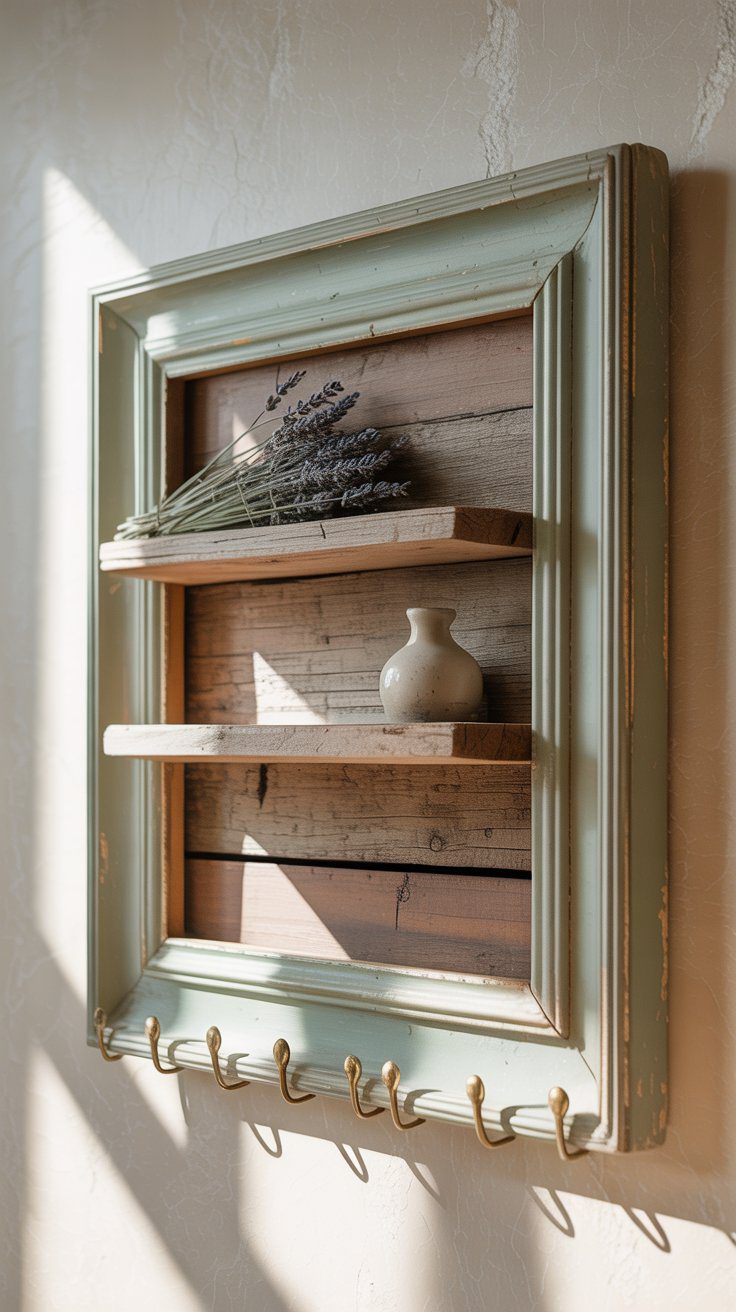
Some items look like junk but flip fast when styled right. Here’s what to check before you buy:
- Weight: Heavier usually means higher quality — especially for ceramics and brass
- Markings: Flip dishes, frames, and furniture over to look for maker stamps or dates
- Texture: Real wood feels different than laminate — run your hand across the grain
When to Walk Away
Not every piece is worth the effort. Pass on it if:
- It needs repairs you don’t know how to do
- The smell won’t come out — must, smoke, or mildew is a hard no
- It looks cool but doesn’t match any current trend
- You’ve listed it before and it sat for weeks with no traction
Letting go of bad inventory frees up time, space, and energy for what actually sells. Smart flippers know when to say no.
Know What Sells Right Now

Shoppers want pieces that look like they came from a design magazine. The top sellers right now in vintage decor:
- Mid-century modern items
- Shabby chic furniture — whitewashed, distressed finishes
- Cottagecore finds — floral dishes, antique mirrors, lace doilies
- Neutral-toned home accessories
- Rustic farmhouse accents
Search Etsy, Facebook Marketplace, and Pinterest to see what’s trending. Reverse-engineer what people are buying — then source and flip it.
Don’t Buy These
- Damaged fabric or furniture with odors
- Anything plastic claiming to be “vintage”
- Electronics unless you know how to test them
Clean It, Style It, Photograph It

Don’t skip this step. A $3 item can look like a $30 piece with the right photo. The presentation is where the money is.
- Clean and polish everything before shooting
- Use natural daylight — avoid indoor yellow lighting
- Shoot against a neutral backdrop: wood, white wall, or linen
- Add props to show scale — a coffee mug, a book, dried florals
Think Pinterest-worthy. You’re not just selling an item — you’re selling a vibe.
Where to List for Fast Sales

- Facebook Marketplace: Best for furniture and local pickups. Use keywords like “vintage,” “cottagecore,” and “boho”
- OfferUp: A solid second local option
- Etsy: Ideal for smaller shippable items with vintage appeal
- Instagram Stories or TikTok Shop: For creators building an audience around the flip
Use FOMO language in your listings: “Just listed,” “One of a kind,” “Vintage find” all boost click-throughs.
Price for Profit

- Buy in the $1–$10 range
- Sell in the $25–$40 range
- Bundle for higher AOV: “Set of 3 brass candlesticks — $45” beats selling them individually
Four to five good flips can hit the $100 mark. Go for pieces that need minimal work — just cleaning and styling.
The Weekend Flip Game Plan
A repeatable three-day workflow that actually works:
Friday — Scout thrift stores and estate sales. Early morning for best picks, early afternoon for markdowns.
Saturday — Clean, style, and photograph 3–5 pieces in natural light.
Sunday — List on platforms with optimized descriptions and promote via Stories or Reels.
This rhythm keeps things manageable and makes room for weekly income without overwhelm.
Turn a Hobby Into a System
Track what sells fast and what lingers. Log every flip with the item, source price, sale price, and days to sell. This helps you dial in your strategy — you’ll quickly see patterns in what moves and what doesn’t, and start sourcing smarter every weekend.
What to Do While Listings Sit
- Refresh old listings with updated photos or new keywords
- Bundle slow sellers into styled sets with a higher combined price
- Post in local Facebook buy/sell groups you haven’t tried yet
- Research pricing trends on Etsy or eBay to fine-tune your numbers
- Batch listing descriptions — write 5–10 at once to use later
Every flip teaches something. Keep moving inventory, even slowly, and momentum builds with each sale.
How to Stay Organized Without Getting Overwhelmed
- Use labeled bins: “To Clean,” “Photographed,” “Listed,” “Sold”
- Keep a running doc with dimensions, keywords, and listing links
- Schedule a weekly 30-minute reset to clear your space
- Create templates for listing titles and descriptions to copy fast
Bonus: Upsell with Digital

Want to scale? Create a “Vintage Decor Styling Guide” and sell it as a $9 PDF using Stan Store. Add the link to your listing descriptions or TikTok bio. One flip can lead to passive income too.
Picture This: The After Shot
That $5 flea market mirror? Now it’s hanging above a whitewashed dresser, reflecting soft light and dried eucalyptus. The vibe is calm, curated, and cozy — exactly what buyers want to see in a listing photo. The item didn’t change. The presentation did. That’s the whole game.
Build Your Flipping Kit
Speed matters when you’re flipping on weekends. Keep these in a small tote so you’re always ready to clean, prep, and shoot:




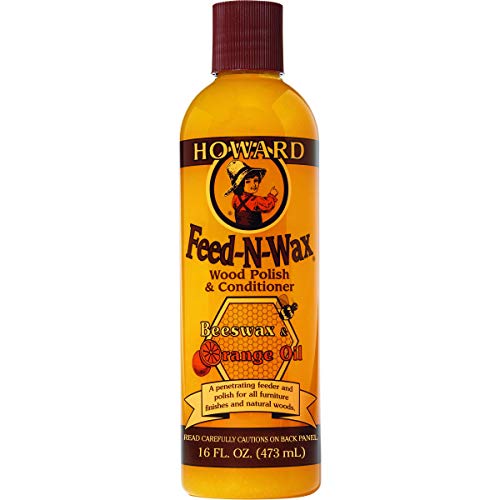
Also keep: a light-colored linen cloth or faux wood board for photo backdrops. It makes every shot look intentional.
Quick Thrift Flip Checklist
- Arrive at stores 30 minutes before opening
- Check items for maker’s marks, dovetail joints, weight, and texture
- Skip plastic “vintage” pieces or anything with a musty odor
- Clean and style in daylight with a neutral backdrop
- Photograph with props that show scale
- List on at least two platforms using FOMO language
- Price at 3–5x your cost
Frequently Asked Questions
Do I need any special tools to start flipping?
No — a soft cloth, mild cleaner, and your phone camera are all you need to turn a $3 find into a $30 flip.
How much time should I budget?
Plan 2–3 hours scouting, 1–2 hours cleaning and styling, and about an hour listing and promoting. A full weekend workflow takes 4–6 hours total.
What if nothing sells?
Rotate items through different platforms, update your photos and keywords, or bundle low-demand pieces together for a higher-value set. Most listings just need a refresh, not a discount.
Is flipping junk really worth it?
Absolutely — if you treat it like a strategy, not a guessing game. The key is knowing what sells, sourcing with intention, and styling it like it belongs in a $500 Airbnb.
This website contains affiliate links. Some products are gifted by the brand to test. As an Amazon Associate, I earn from qualifying purchases. The content on this website was created with the help of AI.

