This website contains affiliate links. Some products are gifted by the brand to test. As an Amazon Associate, I earn from qualifying purchases. The content on this website was created with the help of AI.
Let me tell you what’s actually happening when someone walks past your booth without stopping.
It’s not that they don’t need what you’re selling. It’s not that your prices are wrong. It’s that your booth didn’t interrupt their autopilot. They scanned it in half a second, categorized it as “not worth stopping for,” and kept moving — all without consciously deciding to do any of that.

That’s the brutal reality of selling at a farmers market. You’re not competing with the booth next to you. You’re competing with the human brain’s ability to filter out 95% of what it sees. Your setup either breaks through that filter or it doesn’t.
Here’s how to make sure it does.
The Real Three-Second Test
Go to any busy market and watch where people slow down. It’s almost never the booth with the most stuff on the table. It’s the booth that communicates one clear thing from a distance — usually with color, height, or a sign that answers a question before the customer even realizes they had it.
Your booth has roughly three seconds of someone’s peripheral vision before they’ve mentally filed it and moved on. In those three seconds, they need to absorb: what you’re selling, whether it looks worth their time, and whether approaching feels comfortable or awkward.
That last one — approachability — is the thing most vendors never think about. A booth that’s dark, visually cluttered, or has the vendor standing dead-center behind a wall of product creates a psychological barrier. People feel like they’d have to make a commitment just to look around. So they don’t.
The fix isn’t complicated, but it requires thinking about your booth the way a store designer would — not just as a table you set stuff on, but as a space someone enters.
Your Canopy Is a Billboard
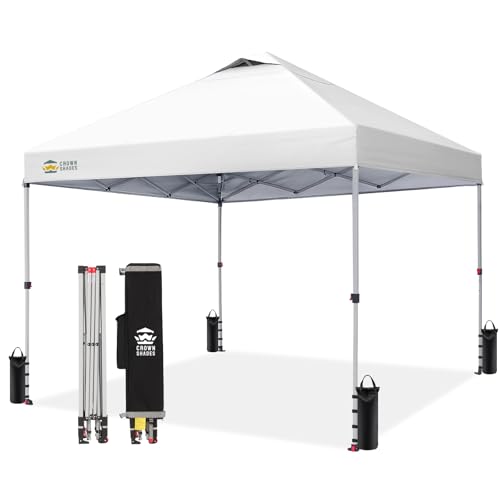

Most vendors think about their canopy as shelter. That’s the wrong frame. Your canopy is the first visual element someone sees when they enter the market — it’s your billboard, your brand color, and your overhead signage all at once.
A quality 10×10 pop-up canopy is the standard footprint for most markets. Don’t cheap out here. A flimsy canopy sags, discolors after a season, and collapses on a windy day in a way that’s genuinely dangerous. Look for steel or aluminum frames, UV-resistant fabric rated for at least a couple hundred hours of sun exposure, and a weight rating that can handle light wind without staking.
Speaking of which — always weight or stake your canopy, every single market, no exceptions. Sand-filled canopy weight bags are the easiest solution. They pack flat when empty, fill up at home, and hang on each corner leg. A gust of wind that would send an unstaked canopy flying will barely move one that’s properly weighted.
Add sidewalls in your canopy color. This is one of those details that separates amateur booths from professional ones immediately. Sidewalls block wind, protect product from unexpected rain at an angle, and — counterintuitively — make your booth feel more inviting. An enclosed three-sided space feels like a destination rather than just a table on the ground. Shoppers stop at destinations.
The Height Rule Nobody Talks About

A flat table is visually dead. Everything sits at the same level, your eye moves across it without anything catching, and the whole setup feels low-effort — even if your product is exceptional.
Height creates visual movement. When product is stacked at different levels, your eye bounces from low to mid to high and back, and that movement creates engagement. It’s the same reason grocery stores don’t lay everything on the same shelf level — variation makes you look longer.
A tiered display stand is the easiest way to add height fast. Wooden risers, vintage crates stacked at different heights, or a small bookcase laid on its side can all work depending on your aesthetic. The goal is at least three distinct height levels across your table — something at the table surface, something mid-height, and something elevated enough that it’s visible from 10 feet away without anyone leaning in.
For craft and product vendors, pegboard display panels are a game-changer. Mount them to a freestanding frame or bungee them to your canopy legs and suddenly your back wall becomes selling space. Hanging items vertically means more product visible from the aisle, and it keeps your table surface from feeling crammed.
The Tablecloth Matters More Than You Think
This sounds like a small thing. It’s not. A bare folding table, a wrinkled cloth, or a random piece of fabric that doesn’t match anything else in your booth communicates something specific to shoppers: that you didn’t think about the details. And if you didn’t think about the details of your booth, why would they assume you thought about the details of your product?
Get a fitted tablecloth in your brand color. Fitted is key — it doesn’t shift when someone leans on the table, it goes to the floor (hiding all your storage and extra inventory underneath), and it stays crisp-looking all day instead of bunching up at the corners. Buy two. If you spill something or a muddy boot kicks the corner, you don’t want to spend the next four hours looking sloppy.
Signs That Sell Without You Having to Say a Word
Your signage should do the heavy lifting so you don’t have to. Every question a customer might ask — what is this, how much does it cost, what’s in it, what makes it different — should be answerable by looking at your booth, not by flagging you down.
The biggest single sign investment you’ll make is a custom vinyl banner with your business name. It should be legible from across the market aisle — that means 20 to 30 feet minimum. Hang it at the back of your canopy frame or across the front, depending on your layout. This is what gets people orienting toward your booth by name. Regulars start looking for your specific banner color before they’re even close enough to read it.
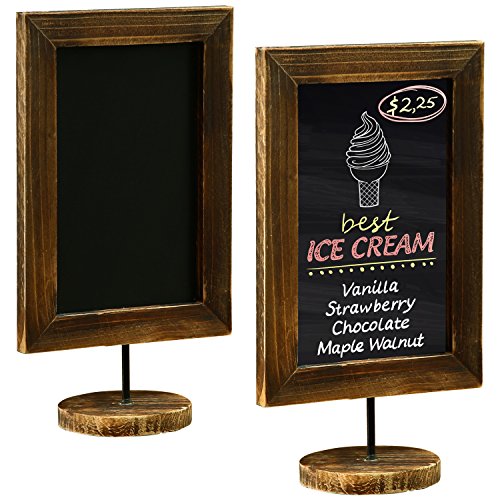
For individual products or daily specials, small tabletop chalkboard signs are the perfect tool. They match almost any market aesthetic, they’re reusable, and there’s something about handwritten chalk that feels appropriately farmers-market-authentic. Use them for pricing, flavor descriptions, ingredient callouts, or deals: “Today Only: 3 for $20.” Shoppers respond to that kind of low-friction, visible offer.
One more rule: price everything visibly. Customers who have to ask the price are significantly less likely to buy than those who can see it at a glance. The act of asking creates a tiny social obligation — now they feel like they should buy something after making you answer. Most people avoid that by just not asking. Make it effortless to get the information and make the decision.
Layout: Stop Creating a Wall Between You and the Customer
The standard vendor setup — one long table across the front of the booth, vendor standing behind it — creates a counter-service dynamic. That’s fine for a coffee shop. It’s limiting for a market booth where you want browsing, conversation, and impulse decisions.
If your booth space allows it, arrange tables in an L or U shape. This creates a pocket of space that customers can step slightly into, which immediately shifts the dynamic. Now they’re in your space rather than outside looking in. That physical transition makes the interaction feel more personal and makes them more likely to linger.
If you’re locked into a straight-across layout, change where you stand. Don’t plant yourself dead center behind the table. Position yourself at one end, or slightly to the side. This opens up the table visually and makes the whole setup easier to approach. Keep your checkout — card reader, cash, bags — in one obvious, consistent corner so the transaction process is smooth and clearly defined.
Choose a Color Palette and Commit to It
Walk through any market as a shopper and pay attention to what your eyes actually stop on. Almost every booth that catches attention has one thing in common: a cohesive color story. Two or three colors, repeated across the tablecloth, signage, display props, and product packaging. Not because it’s pretty — because it reads as intentional. And intentional reads as trustworthy.
Your palette should match your brand and your product category. Earth tones — terracotta, sage, cream, warm brown — signal handmade, artisan, farm-fresh. They work beautifully for produce, baked goods, candles, and natural body products. High-contrast, bold colors work better for children’s items, food brands with strong personalities, or anything you want to feel energetic and modern.
The fastest way to undermine a great booth is to have five different colors pulling in different directions. Pick your palette before you buy anything — tablecloth, banner, risers, signage — and buy within it. Over time, your regulars will spot your colors from two aisles away before they can even read your name.
Reset Every 45 Minutes (Seriously)
Here’s what happens to most booths by mid-morning: the pretty setup you spent an hour building at 6 AM has been picked through, rearranged by customers, and is now half-empty with products shoved to one side, bags piling up, and the whole thing looking like a clearance rack.
A messy booth signals low value. Shoppers who arrive at 11 AM shouldn’t know that you’ve been selling for three hours. They should see a booth that looks like it just opened.
Set a timer. Every 30 to 45 minutes, consolidate products to fill gaps, pull backup stock from under the table, straighten signs, and reset the display. It takes two minutes and the difference is immediate. Keep your inventory and supplies organized in bins under your table — a collapsible rolling cart is ideal for hauling gear in and doubling as under-table storage throughout the day.
Don’t Skip Lighting
If your market is indoors, starts before full daylight, or runs into the evening, lighting isn’t optional — it’s the difference between your products looking vibrant and looking washed out or dim.
Battery-operated LED strip lights clipped inside your canopy frame give warm overhead light without needing a power connection. String lights across the top of your canopy create ambiance — and a lit booth visible from a distance draws people in the same way a lit storefront does at night. If you have specific products you want to highlight, a small clip-on spotlight aimed at a featured display can be the thing that stops someone cold ten feet away.
Picture This Booth on Opening Day
It’s 7:50 AM. The market opens in ten minutes. Your canopy is standing with all four corners weighted. Inside: a tiered wooden display at three heights, your products arranged from smallest at the top to largest at the base. Fitted tablecloth in your signature forest green drops to the floor, hiding two bins of backup inventory underneath. Your custom vinyl banner — visible from the moment someone enters the market gates — shows your business name and what you sell.
Every product has a price sign. A small chalkboard near your bestseller reads “Most Popular — Grab One Before They’re Gone.” Your battery lights are on, making the whole booth glow just enough to stand out in the morning shade.
The market opens. Two shoppers walk in, stop at the entrance, scan the row — and start walking directly toward your booth before they’ve passed a single other table.
That’s not luck. That’s a booth that did its job before you said a word.
→ The Booth Setup Gear List
10×10 vendor canopy tent — your footprint, your billboard, your shelter. Buy once, buy well.
Canopy weight bags — non-negotiable. Wind doesn’t warn you. Weight your corners every single market.
Fitted table cover — brand-colored, floor-length, wrinkle-resistant. Buy two.
Tiered wooden display stands — the fastest way to add height and visual interest to a flat table.
Custom vinyl banner — your name, readable from across the market. Worth every dollar.
Battery-operated LED lights — for indoor markets, early mornings, or any booth that needs to glow from a distance.
This website contains affiliate links. Some products are gifted by the brand to test. As an Amazon Associate, I earn from qualifying purchases. The content on this website was created with the help of AI.
