This website contains affiliate links. Some products are gifted by the brand to test. As an Amazon Associate, I earn from qualifying purchases. The content on this website was created with the help of AI.
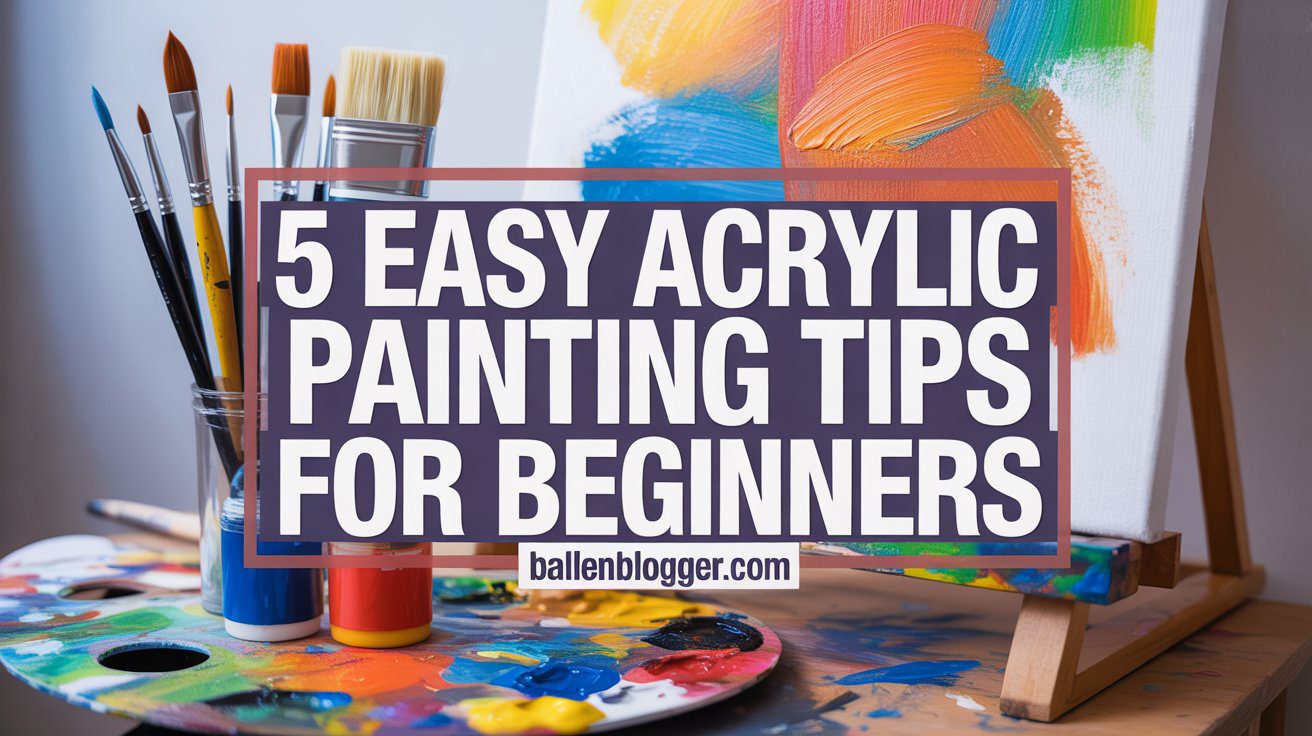
Acrylic painting—sounds intimidating, right? But what if I told you that it’s one of the easiest and quickest mediums to master? Yep, with the right tips, you’ll be wielding that brush like a pro in no time! So grab your paints, take a deep breath, and let’s dive into these five game-changing tips that will totally transform your acrylic painting game. Don’t worry if you’re just starting out; these tips are perfect for beginners and will make your process smooth, fast, and—dare I say—fun.
Tip 1: Get Comfortable with the Paint Consistency
One of the easiest ways to get started with acrylic painting is to understand the consistency of the paint. Not all acrylic paints are the same, and you need to experiment to see how it behaves with different amounts of water or medium. You’d be surprised at how much difference it makes just playing around with the paint!
Experiment with Different Thicknesses
Start by taking your paint straight from the tube and applying it to the canvas. Try using different brushes to make thick or thin marks. Once you get the feel for it, add a small amount of water to the paint. Keep testing different consistencies to see how the paint reacts. You’ll soon discover how the paint feels and how you can control it for better results.
Shop Amazon for Basic Acrylic Paint Sets: Basic Acrylic Paint Set
Tip 2: Understand Water’s Role in Acrylics
Water is your friend when it comes to acrylics, but be careful how much you add. Thinning out acrylics helps for finer details and smooth blending, but over-thinning can make the paint too transparent, which might cause issues for your final piece.
Use Water, But Keep It Balanced
If you add too much water, the paint might become too thin, which can reduce opacity and make it harder to cover your canvas. Try using water sparingly to achieve the perfect balance for the details you want to create.
Shop Amazon for Acrylic Painting Water Containers: Water Containers for Acrylics
Tip 3: Prep Your Canvas with Gesso
Before you even start painting, make sure your canvas is properly prepped. Using gesso is an essential step that makes a world of difference. It helps your paint adhere better and ensures that your colors stay vibrant and true to their hue.
Apply Gesso for Better Adhesion
Gesso provides a surface that helps the paint bond better to the canvas. Without it, the paint may soak into the fabric of the canvas and not spread as evenly. Apply a thin layer of gesso and let it dry before you start painting.
Shop Amazon for Gesso: Buy Gesso for Acrylic Painting
Tip 4: Embrace the Power of Layering
Layering is one of the most effective techniques in acrylic painting. Not only does it add depth, but it also allows you to make changes without messing up your painting.
Build Layers for Depth and Detail
Acrylics dry fast, so you don’t have to wait long between layers. Start with a dark base layer, then add lighter colors on top. This creates depth and gives your artwork a more realistic, 3D feel. Don’t rush the process—layering gradually will make your painting come to life.
Shop Amazon for Acrylic Mediums for Layering: Acrylic Mediums for Layering
Tip 5: Mix in Different Tools for Unique Effects
Acrylic paint isn’t just for brushes! One of the most fun aspects of acrylics is the variety of tools you can use. Palette knives, sponges, and even your fingers can all help create different textures and effects.
Get Creative with Non-Brush Tools
Try using a palette knife to add texture or create sharp, clean lines. For softer effects like clouds or mist, a sponge or dry brush technique (scumbling) works wonders. Don’t be afraid to experiment with different tools and techniques to add dimension and interest to your painting.
Shop Amazon for Palette Knives and Painting Tools: Palette Knives for Acrylics
Bonus Tip: Mistakes Are Part of the Process
One of the best things about acrylics is how quickly they dry, meaning you can easily fix mistakes. Don’t stress about getting everything perfect on your first try. Mistakes happen, and they can even lead to unexpected improvements. Embrace the freedom of acrylics—they allow you to make changes on the fly without ruining your entire painting.
Ready to grab your paint and start creating? These tips will help you master acrylic painting faster than you think. Remember, it’s not about perfection—it’s about experimenting, learning, and enjoying the process. So pick up those brushes, get inspired, and let your creativity flow!
This website contains affiliate links. Some products are gifted by the brand to test. As an Amazon Associate, I earn from qualifying purchases. The content on this website was created with the help of AI.