This website contains affiliate links. Some products are gifted by the brand to test. As an Amazon Associate, I earn from qualifying purchases. The content on this website was created with the help of AI.
10 Things I Wish I’d Done Differently
The honest lessons I learned setting up craft space after craft space — so you can skip the pricey mistakes and build a room that actually works.
🛒 Shop my full craft room list →
You finally get your dream craft room — all the storage bins, color-coded supplies, that Pinterest-perfect pegboard — and then you realize half of it doesn’t actually work the way you thought. Been there. Before you drop hundreds on matching containers, here’s what really matters.
The whole guide in 4 ideas
What actually makes a craft room work
See everything
Clear bins + open shelves beat pretty closed cabinets every time.
Zone it
Group like with like. Labeled zones save hours of digging.
Stay flexible
Rolling carts and adjustable shelving grow with your hobby.
Light it right
Task + ambient lighting makes the space usable and cozy.
Clear storage is a game-changer
For years I stored supplies in opaque containers, convinced I was organized. Nothing beats bins where you can actually see what’s inside without opening every one to find your washi tape. It’s more accessible — and all that colorful supply visible at once is an instant creativity boost.

Picture this: you reach for the washi tape and spot it instantly through the clear lid — no more digging through three opaque bins to find it.
Label everything — seriously, everything
“Oh, I’ll remember where I put my glitter pens.” Spoiler: you won’t. Labeling is non-negotiable. It keeps you sane and means that when your space evolves (it will), you can spot what you need in seconds instead of digging.
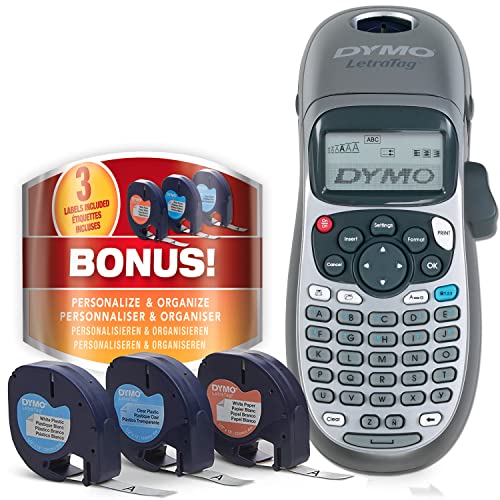
Picture this: six months from now you slide open a drawer and every label tells you exactly what’s inside, no guessing required.
Group like items together
Grouping like items isn’t a suggestion — it’s essential. Paper crafting? Designated paper zone. Stickers? Their own spot. No more tossing random supplies into any open drawer. Zones are lifesavers when you’re mid-project and can’t waste time hunting.

Picture this: you’re mid-project and grab exactly the sticker sheet you need in two seconds, because it lives in its own labeled zone.
Bigger isn’t always better with drawers
I dreamed of huge drawers I could throw everything into. Big mistake — they became catch-alls I had to sift through every time. Smaller, segmented drawers keep things in their place and are far easier to navigate. Function over size, every time.

Picture this: you open a shallow, segmented drawer and every tool has its own spot — nothing buried under a pile of loose supplies.
Keep supplies visible — out of sight = out of mind
I tucked my mixed-media supplies behind closed doors for a minimal look. Big regret. I kept reaching for the same basics and forgot everything I couldn’t see. Your brain defaults to what’s in front of you — so open shelving or clear-front cabinets give you a visual cue to actually use what you own.
💡 Takeaway: open shelving > closed doorsPicture this: your favorite mixed-media supplies sit right at eye level on open shelving, so you actually reach for them instead of forgetting they exist.
Slow down before you buy storage solutions
Don’t rush out and buy every bin and shelf before you start organizing. I over-purchased and ended up with a pile of containers that were the wrong size for the space. Use what you have first, measure, and add storage as you go. Flexibility saves money and regret.
💡 Takeaway: measure first, buy secondPicture this: you measure your shelf first, buy the one bin that actually fits, and skip the pile of mismatched containers cluttering your closet.
Plan for future growth
You finish setting up, it’s perfect — then a few months later your hobby has doubled and you’re out of room. I didn’t leave space to expand. Always build in wiggle room for the new tools, supplies, and crafting passions you’ll inevitably pick up.
💡 Takeaway: leave room to growPicture this: your hobby doubles in six months and there’s already an empty shelf waiting for the new supplies — no cramming required.
Don’t forget to factor in lighting
Lighting isn’t just about seeing your work — it sets the whole mood. I assumed one overhead light was enough. Big mistake. Task lighting plus a little ambient light makes the space feel energizing and cozy, and your projects photograph better too.
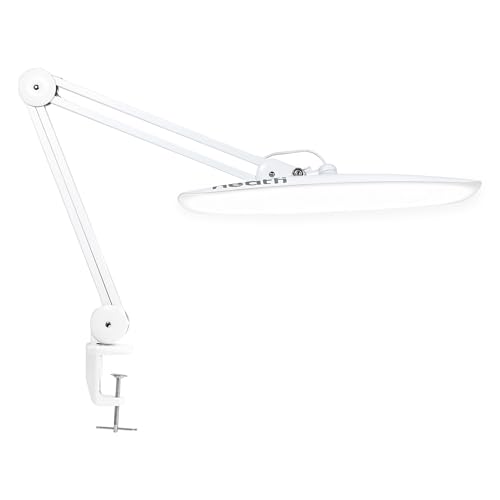
Picture this: you flip on your task lamp, the whole desk lights up evenly, and your finished project photographs beautifully on the first try.
Keep it flexible
A dream space is great, but things change — what works now might not in six months. Design for movement: adjustable shelving and furniture you can roll and rearrange. Don’t lock yourself into a rigid layout; let the room grow with your creative journey.

Picture this: your creative mood shifts, so you roll your cart to a new corner of the room in thirty seconds — no rebuilding the whole setup.
Aesthetics matter — but so does function
For my fellow design lovers: never sacrifice function for looks. A cute desk that fights your workflow isn’t worth it. Prioritize how the space works first, then layer in the aesthetic touches that spark creativity. The balance is what makes a room you can both work in and feel at home in.
💡 Takeaway: function first, pretty secondPicture this: your craft room looks as good as it functions — pretty enough for guests, practical enough that you actually finish projects in it.
Want the whole setup in one place?
I put every bin, cart, label maker, and lamp from this guide into one shoppable Amazon list — so you can grab what you need without hunting.
🛒 Shop the full craft room list →Save it for later
Loved this? Pin it.
Hover the image and tap the Pinterest Save button to keep this craft room guide on one of your boards.
Build a craft room that actually works
Skip the mistakes I made. Start with clear storage, smart zones, and good light — everything I use is in one place.
🛒 Shop my craft room list on Amazon →This website contains affiliate links. Some products are gifted by the brand to test. As an Amazon Associate, I earn from qualifying purchases. The content on this website was created with the help of AI. Updated August 21, 2026.
This website contains affiliate links. Some products are gifted by the brand to test. As an Amazon Associate, I earn from qualifying purchases. The content on this website was created with the help of AI.
