This website contains affiliate links. Some products are gifted by the brand to test. As an Amazon Associate, I earn from qualifying purchases. The content on this website was created with the help of AI.
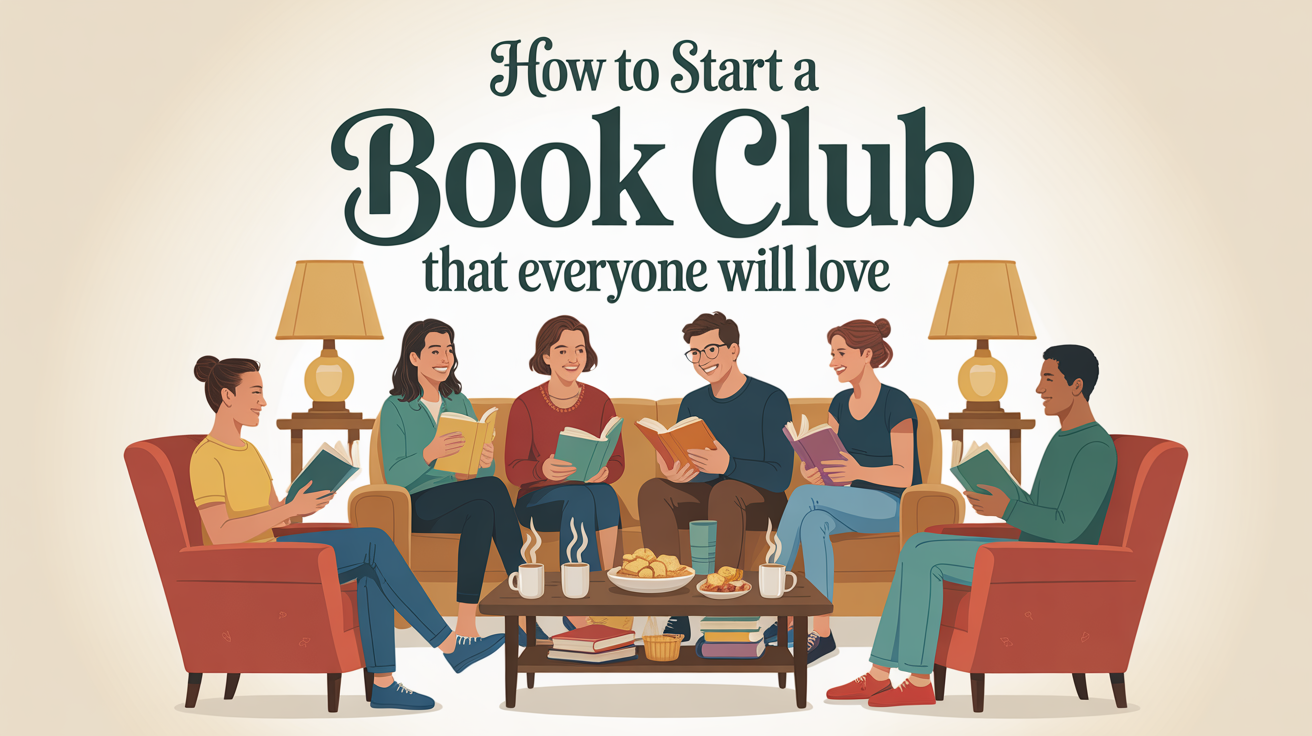
There’s something special about gathering a group of people around a shared story. A book club isn’t just about reading — it’s about connection, conversation, and carving out time for something that feels meaningful in a busy life. Whether you’re craving deeper friendships, accountability to read more, or simply a reason to pour a glass of wine and talk about something other than work, the right book club can become a highlight of your month. Here’s how to start one that everyone will actually look forward to — and keep showing up for.Before you send the first invite or pick a book, decide what kind of book club you want to create. Every great club has a vibe—some are cozy and low-key, others are structured and discussion-driven. Think about what feels most natural for you and the people you want to gather.
The Heart of a Great Book Club
A great book club begins long before the first meeting. It starts with intention. What makes a club truly special isn’t the reading list—it’s the energy, connection, and sense of belonging you create from the beginning. The best book clubs aren’t just gatherings; they become rituals.
Start by asking yourself what kind of experience you want to build. Do you imagine cozy evenings with tea and laughter? Spirited debates over plot twists? A space to reconnect with friends—or to meet new ones? When you define the why behind your book club, every decision after that becomes easier.
Next, think about the people. Choose members who are genuinely interested in reading and sharing ideas. It’s better to start small—with four to eight people—than to fill the room with guests who only show up for the snacks. A smaller group builds intimacy and trust, and trust is what makes the discussions honest and meaningful.
Once you’ve gathered your circle, set the tone early. Create an atmosphere where every voice matters. Encourage curiosity, not criticism. The goal isn’t to agree on every book—it’s to explore different perspectives and see the story through someone else’s eyes. The conversations that start with “I didn’t see it that way” are the ones that stay with you long after the night ends.
Then, bring in structure—but gently. Decide how often you’ll meet, how books will be chosen, and where discussions will happen. Monthly meetings tend to work best for most readers, and a rotating book picker keeps the energy fresh. Just remember: flexibility keeps your club alive. The moment it feels like homework, you’ll lose the joy.
Finally, celebrate the experience. Add rituals that make your gatherings memorable—a themed snack, a “quote of the night,” or a group photo with the book. These little touches turn casual get-togethers into traditions.
A great book club isn’t built on rules; it’s built on connection. And when you nurture that connection from day one, you’ll find your group doesn’t just meet to read—they meet to belong.
Designing Your Book Club Framework
Now that you know the heart of your book club, it’s time to build the framework that keeps it running smoothly. The best book clubs strike a balance between freedom and structure—enough organization to stay consistent, but enough flexibility to keep it fun.
Start with the foundation: how you’ll meet, when you’ll meet, and how books will be chosen. A monthly meeting works beautifully for most readers. It gives everyone enough time to finish the book without pressure. Pick a consistent day, like the first Wednesday of each month, and stick with it—predictability builds commitment.
Next, choose your format. In-person meetups create warmth and connection, but online clubs open the door to friends from anywhere. If you go virtual, use a reliable platform like Zoom or a private Facebook group where members can share reactions and quotes throughout the month.
Book selection is where many clubs lose momentum, so set a system early. You can rotate who chooses the next book, vote as a group using polls, or even select themes like “memoir month” or “modern classics.” Having the next two books lined up keeps the excitement going and avoids that last-minute scramble.
Think about the flow of your meetings, too. Start with casual conversation before diving into the book. Ask open-ended questions—what surprised you, what frustrated you, what stayed with you? Let the discussion wander naturally but bring it back when it starts to drift. The goal is to make sure everyone feels heard.
Finally, give your book club a sense of identity. Name it. Design a group chat logo, or create a shared Pinterest board of your favorite book covers. These small touches make your club feel official—and a little bit magical.
A strong framework doesn’t limit your club; it gives it room to grow. The structure you set now becomes the foundation for the laughter, the stories, and the friendships that follow.
Creating Your Book Club Kit
Every thriving book club needs a system—a simple, organized way to keep everything running smoothly and make every meeting feel intentional. That’s where your Book Club Kit comes in. Think of it as your behind-the-scenes toolbox: discussion guides, reading trackers, themed ideas, and little touches that make your gatherings special.
Start with a Welcome Packet. This can be digital or printed, but it should include your club’s mission (why it exists), your meeting schedule, how book selections are made, and a few simple ground rules—like showing up, being kind, and keeping spoilers respectful. It instantly gives your group a sense of structure and belonging.
Next, create a Reading Tracker or Journal. A simple printable page works: book title, author, meeting date, favorite quotes, and one takeaway. Members can jot down thoughts as they read, which keeps discussions deeper and more engaging.
Add a Discussion Guide Template. Use 5–7 open-ended questions that fit any book—like “What character surprised you the most?” or “Did your opinion change by the end?” Leave space for personal notes. The goal isn’t academic—it’s conversation fuel.
Then, think about themed experiences. If your group reads The Night Circus, serve popcorn and hot chocolate. If it’s Eleanor Oliphant, create a playlist of songs that fit her world. A few thoughtful details make every meeting feel like an experience, not just an event.
Finally, include a Club Calendar and Communication Hub—a shared Google Sheet, Facebook group, or Airtable base where you track books, votes, and meeting notes. It keeps everyone connected between gatherings.
Your Book Club Kit doesn’t need to be elaborate. It just needs to make participation easy, conversations meaningful, and meetings memorable. When you combine structure with heart, your club stops being “something to do” and becomes something your members look forward to all month long.
Hosting the Perfect Book Club Gathering
The best book clubs feel like coming home. When your group gathers, the goal isn’t just to analyze a story—it’s to create an atmosphere that invites conversation, laughter, and connection. Hosting well doesn’t require fancy décor or gourmet food. It’s about intention.
Start with the setting. Whether you’re meeting in a living room, on a patio, or over Zoom, make the space warm and inviting. Good lighting, soft music, and a few thoughtful touches—like a candle, cozy throw, or simple centerpiece—instantly shift the mood from “meeting” to “moment.”
If you’re hosting in person, plan light refreshments that match the tone of the book. Pair a Parisian novel with pastries, a beach read with fruit and sparkling water, or a moody mystery with dark chocolate and red wine. It doesn’t need to be elaborate; it just needs to feel intentional.
Begin every meeting with a few minutes of casual conversation. Ask how everyone’s week was before diving into the book—it helps people relax and connect. Then, transition into discussion. Use your guide or jot down three key questions to keep the conversation flowing. Encourage everyone to share, but never force it. Some members love to analyze, others simply enjoy listening.
As the host, your role is to guide, not control. If a conversation starts to stall, ask, “What did you think of the ending?” or “Did this book remind you of anything in your own life?” The best discussions weave between story and personal insight.
End on a high note. Wrap up with one reflection question like, “What line will stay with you?” or “Would you recommend it to a friend?” Then, introduce the next month’s pick. A smooth transition builds anticipation and keeps your club momentum strong.
Most importantly—don’t forget the ritual of gratitude. Thank your guests, snap a group photo, and celebrate the shared time. Every meeting becomes part of your club’s story. The books bring you together, but it’s the moments in between that make people stay.
Keeping the Momentum Going
The first few meetings are exciting—everyone’s showing up, sharing ideas, and eager to connect. But the real challenge comes later: keeping that energy alive month after month. A great book club evolves over time, and consistency is what turns it from a fun idea into a lasting community.
Start by keeping things fresh. Change up your format every few months. Try a themed quarter—like “Books That Became Movies” or “Women Who Write Boldly.” Host a summer reading challenge or a “bring your favorite book from childhood” month. These little shifts reignite interest and give members something new to look forward to.
Communication is key. Between meetings, stay connected through a group chat or email thread. Share favorite quotes, post photos, or talk about what everyone’s reading next. When conversation continues outside the meetings, participation becomes habit, not obligation.
It’s also important to keep things flexible. Life gets busy, and sometimes members can’t finish the book. That’s okay. Encourage them to come anyway. A good discussion doesn’t require perfect completion—it just requires curiosity and a willingness to listen.
Recognize milestones, too. Celebrate your club’s six-month mark or 10th book together. Send digital certificates, take group photos, or compile a list of every book you’ve read so far. These traditions give your group a sense of shared history and pride.
And when things feel stale, check in with your members. Ask what’s working, what’s not, and what would make it more fun again. A quick pulse check can prevent burnout and remind everyone why they joined in the first place.
The secret to lasting momentum is simple: keep the joy front and center. When your club feels like a gathering of friends, not an assignment, people will keep showing up—not because they have to, but because they want to.
Building a Book Club That Lasts
At its core, a book club is about more than books. It’s about belonging. The best ones evolve naturally—what starts as a small circle of readers often becomes a community of friends who share laughter, ideas, and life moments along the way.
You don’t need to overcomplicate it. Keep the heart of your club rooted in connection and curiosity. Celebrate every story you read, even the ones that didn’t land, because they still brought conversation and perspective. When you lead with intention and warmth, your book club becomes a space people can count on—something steady in a fast-moving world.
The goal isn’t to finish every book. It’s to keep showing up. To keep listening. To keep creating moments that matter.
Resources to Help You Get Started
- Book Club Discussion Guide Template — Print or copy into Google Docs to customize.
- Monthly Reading Tracker — Track books, meeting dates, and top quotes.
- Club Theme Ideas — Seasonal or genre-based prompts to keep your lineup fresh.
- Book Club Calendar (Google Sheets or Airtable) — Manage members, votes, and future picks.
With a little structure and a lot of heart, your club can become a tradition everyone looks forward to—month after month, story after story.
Book Club Starter Checklist
Use this list to set up your club with clarity and ease. Print it or duplicate it in Google Docs.
☐ Define your club’s purpose and vibe
☐ Choose your first 4–8 members
☐ Pick your meeting format (in-person, virtual, hybrid)
☐ Decide on frequency and schedule your first three meetings
☐ Create a group chat or email list for communication
☐ Set basic guidelines (respect, attendance, spoilers)
☐ Choose the first book and announce it
☐ Plan a themed snack or drink for your kickoff meeting
☐ Take a photo of your first gathering—it marks your beginning
Book Discussion Template
Title: _______________________________
Author: _____________________________
Meeting Date: _______________________
Favorite Line: _______________________
Discussion Prompts:
- What did you love most about this story?
- Which character did you relate to—or resist?
- Did your opinion change as you read?
- What theme stood out most to you?
- How did this book make you feel?
- If you could ask the author one question, what would it be?
- Would you recommend this book to others? Why or why not?
Monthly Reading Tracker
| Month | Book Title | Author | Host | Rating (1–5) | Favorite Quote |
|---|---|---|---|---|---|
| January | |||||
| February | |||||
| March |
Club Theme Ideas
- Cozy Reads for Winter
- Books That Became Movies
- Women Who Write Fearlessly
- Modern Classics
- Memoirs That Matter
- Global Stories: Around the World in 12 Books
- Reader’s Choice Month
Book Club Reflection Sheet
After every meeting, jot down your thoughts:
What was the best part of this month’s discussion?
What surprised me about this book?
What am I taking away from this story—or this group?
What should we do differently next time?
This website contains affiliate links. Some products are gifted by the brand to test. As an Amazon Associate, I earn from qualifying purchases. The content on this website was created with the help of AI.