This website contains affiliate links. Some products are gifted by the brand to test. As an Amazon Associate, I earn from qualifying purchases. The content on this website was created with the help of AI.
How to Ferment Cabbage at Home: The Sauerkraut & Kimchi Cheat Sheet
Cabbage, salt, a jar, and a little patience. Here is the gear, the salt math, and six easy ways to join the Cabbage Crush.
Get the cheat sheet ↓
How do you ferment cabbage? Shred it, mix it with salt (about 1 tablespoon per 2 pounds), squeeze it until it is wet, and pack it into a jar so the cabbage stays under its own juice. Leave it on the counter for 1 to 4 weeks. That is sauerkraut.
Pinterest named Cabbage Crush one of its 2026 trends and said Boomers and Gen X are the ones leading it. Searches for fermented cabbage are up 35%, cabbage dumplings are up 110%, and golumpki soup is up 95%.
The best part? A head of cabbage costs about $2. This cheat sheet shows you what gear to buy, how much salt to use, and how to turn cabbage into kraut, kimchi, and crispy cabbage steaks.
The basics
Fermenting in 4 rules
Get these right and your first jar will work.
2% salt
About 1 Tbsp sea salt per 2 lb cabbage.
Keep it under
Cabbage under the brine = no mold.
Room temp
65 to 70 degrees, out of the sun.
Taste, then chill
Like the tang? Move it to the fridge.

Picture thisA big bowl of shredded cabbage, a pinch of salt, and ten minutes of squeezing. That is the hardest part, and it is kind of fun.
The how-to
6 ways to join the Cabbage Crush
Start with one jar. Each step tells you what to look for, how to do it, and the exact gear to buy.
Make Your First Sauerkraut in a Mason Jar
Sauerkraut is just cabbage and salt. That is it. The salt pulls water out of the cabbage, the cabbage sits under that salty water, and good bacteria turn it sour and tangy in a week or two.
Example: One medium head of green cabbage (about 2 pounds) plus 1 tablespoon of sea salt fills one quart mason jar. Shred, salt, squeeze, pack, wait.

What to look for
- Wide-mouth quart mason jars
- Glass weights to hold the cabbage down
- Airlock lids so gas gets out and air stays out
How to do it
- Shred the cabbage thin. Save one big outer leaf.
- Toss with salt. Squeeze hard for 5 to 10 minutes until it is wet.
- Pack it into the jar. Push it down until the juice covers it.
- Tuck the big leaf on top, add the weight and airlock lid. Wait 1 to 4 weeks.
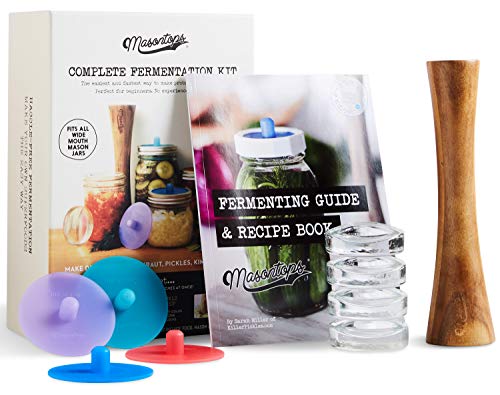

Tip: Use salt with no iodine. Iodized table salt can slow the good bacteria down.
Picture thisA jar of pale green cabbage on your counter on Sunday. Two weeks later, it is tangy, crunchy kraut that cost you about $3.
Go Big With a Stoneware Crock
Once you love it, a crock is how Grandma did it. It holds 5 or more heads of cabbage at once, and the heavy stone weights keep everything under the brine with no fuss.
Example: A 2-gallon crock holds about 10 pounds of cabbage. That is roughly 8 quart jars of kraut from one afternoon of work.

What to look for
- Food-safe glazed stoneware
- A lid plus stone weights
- 2 gallons is plenty for most families
How to do it
- Shred and salt the cabbage in big batches.
- Pack it into the crock in layers. Press each layer.
- Set the stone weights on top. Brine must cover them.
- Cover with the lid and check it every few days.
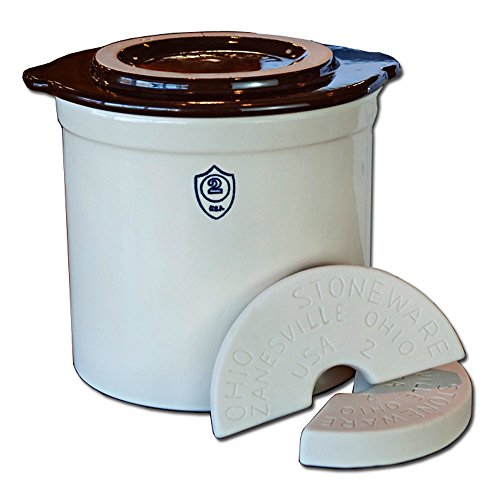
Tip: Keep your crock somewhere cool and out of the sun, like a pantry floor. About 65 to 70 degrees is the sweet spot.
Picture thisA heavy brown crock sitting in the pantry, and the whole family knows it means fresh kraut for game day.
Make Kimchi in a Real Kimchi Container
Kimchi is sauerkraut with a kick. It uses napa cabbage, garlic, ginger, green onion, and Korean red pepper flakes. Kimchi has a strong smell, so a container with an inner press lid is worth it.
Example: Soak 1 napa cabbage in salt water for 2 hours. Rinse. Mix with the red pepper paste. Pack it tight. It is ready to eat in 3 to 7 days.

What to look for
- An inner lid that presses out the air
- A tight outer lid to hold in the smell
- About 1.5 liters for one napa cabbage
How to do it
- Cut and soak the napa cabbage in salt water.
- Rinse it well and drain.
- Mix in the garlic, ginger, onion, and red pepper paste.
- Pack it in, press the inner lid down, and taste it daily.
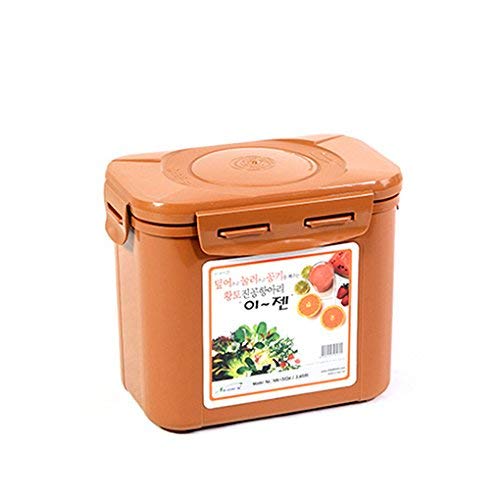
Tip: Wear gloves when you mix the pepper paste. Your eyes will thank you later.
Picture thisA bright red jar of homemade kimchi in your fridge, and every bowl of fried rice gets a whole lot better.
Print the fermented cabbage cheat sheet
Salt math, timing, and the “is this mold?” guide on one page. Tape it inside a cabinet door.
Open the printable →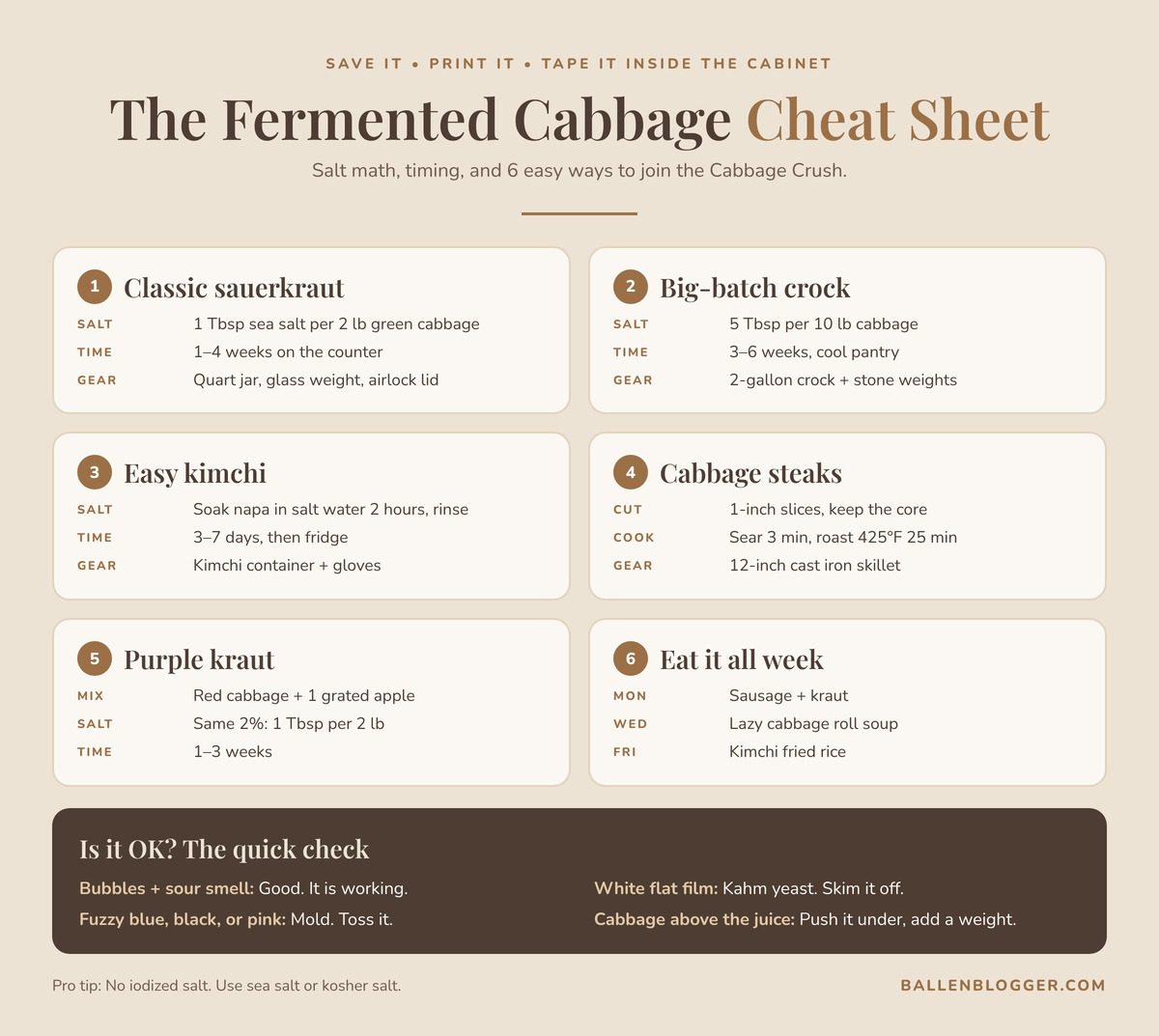
Picture thisThis page taped inside your cabinet, and you never have to Google “how much salt for sauerkraut” again.
Roast Cabbage Steaks in Cast Iron
Pinterest says the Cabbage Crush crowd loves “steaks” with crispy, blistered edges. Cast iron gets hotter than a sheet pan, so the edges char while the middle turns soft and sweet.
Example: Cut a green cabbage into 1-inch slices through the core. Brush with olive oil, garlic, salt, and pepper. Sear 3 minutes, then roast at 425 degrees for 25 minutes.

What to look for
- A 10 to 12 inch cast iron skillet
- Pre-seasoned, so it is ready to use
- A helper handle, because it is heavy
How to do it
- Slice through the core so the steak holds together.
- Brush both sides with garlic oil.
- Sear in a hot skillet for 3 minutes.
- Flip and roast at 425 degrees for about 25 minutes.

Tip: Leave the core in. It is the glue that keeps each steak from falling apart.
Picture thisGolden cabbage steaks with dark crispy edges, a squeeze of lemon, and you cannot believe this is the same cabbage you ignored for years.
Eat Cabbage All Week
Cabbage is cheap, it lasts for weeks in the fridge, and it works in almost anything. Pinterest searches for cabbage dumplings are up 110%, golumpki soup is up 95%, and cabbage alfredo is up 45%.
Example: Monday: sausage and kraut. Wednesday: lazy cabbage roll soup. Friday: cabbage leaf tacos. Sunday: kimchi fried rice.

What to look for
- Green cabbage for soup, kraut, and steaks
- Napa cabbage for kimchi and dumplings
- Red cabbage for color and slaw
How to do it
- Buy 2 heads on Sunday.
- Turn one into kraut or kimchi.
- Use the other for soup, steaks, or tacos.
- Add a spoon of kraut to anything that needs a kick.
Tip: Whole cabbage keeps 3 to 4 weeks in the crisper drawer. Peel off the outer leaves as you go.
Picture thisOne $2 head of cabbage turning into four different dinners, and your grocery bill finally drops.
Get One Great Fermenting Book
Once you have made one jar, you will want to try everything. One good book beats 40 open browser tabs. Fermented Vegetables by the Shockeys is the one most fermenters keep on the counter.
Example: Try red cabbage with apple, turmeric kraut with black pepper, or curtido, a spicy Salvadoran slaw. Same method, new flavors.

What to look for
- Clear salt amounts for each recipe
- Photos of what “done” looks like
- A troubleshooting section for mold and yeast
How to do it
- Pick one new recipe a month.
- Label every jar with the date.
- Write notes on what you liked.
- Share a jar with a friend.

Tip: A jar of homemade kraut with a kraft tag is one of the best hostess gifts there is. It costs about $3.
Picture thisA row of jars in purple, gold, and red on your shelf, every one with a little tag, and friends asking what you are making next.
Your first batch
Sauerkraut, week by week
Here is what to expect, so nothing freaks you out.
Day 1
Shred, salt, squeeze, pack. Lid on.
Days 2 to 5
Bubbles and a sour smell. That is good.
Week 1 to 2
Taste it. Push the cabbage back under.
Week 2 to 4
Tangy enough? Into the fridge. Keeps for months.

Picture thisA white film on top? That is usually harmless kahm yeast. Skim it off. Fuzzy blue, black, or pink spots? Toss it and start again.
Keep going
What to read next
More from the kitchen.
Make your first jar this weekend
One cabbage, one tablespoon of salt, one mason jar kit. In two weeks you will have kraut you made yourself.
Get the fermentation kit →Updated October 6, 2026. Trend data from Pinterest Predicts 2026. This website contains affiliate links. Some products are gifted by the brand to test. As an Amazon Associate, I earn from qualifying purchases. The content on this website was created with the help of AI. Fermenting is safe for most people, but if you see fuzzy colored mold, toss the batch.
This website contains affiliate links. Some products are gifted by the brand to test. As an Amazon Associate, I earn from qualifying purchases. The content on this website was created with the help of AI.
