This website contains affiliate links. Some products are gifted by the brand to test. As an Amazon Associate, I earn from qualifying purchases. The content on this website was created with the help of AI.
If you’ve been using a reward chart to get your toddler through potty training, you already know the magic of positive reinforcement. But here’s the thing — that same approach works beautifully for all kinds of toddler behavior, not just the bathroom. A well-designed reward chart can help with everything from getting dressed in the morning to sharing with a sibling, and it gives your child a sense of ownership and pride that builds real confidence over time.
This guide covers everything you need to know about toddler reward charts for good behavior — from choosing the right format to picking rewards that actually motivate your specific child, plus some creative printable and DIY options to get you started today.
Why Reward Charts Work for Toddlers
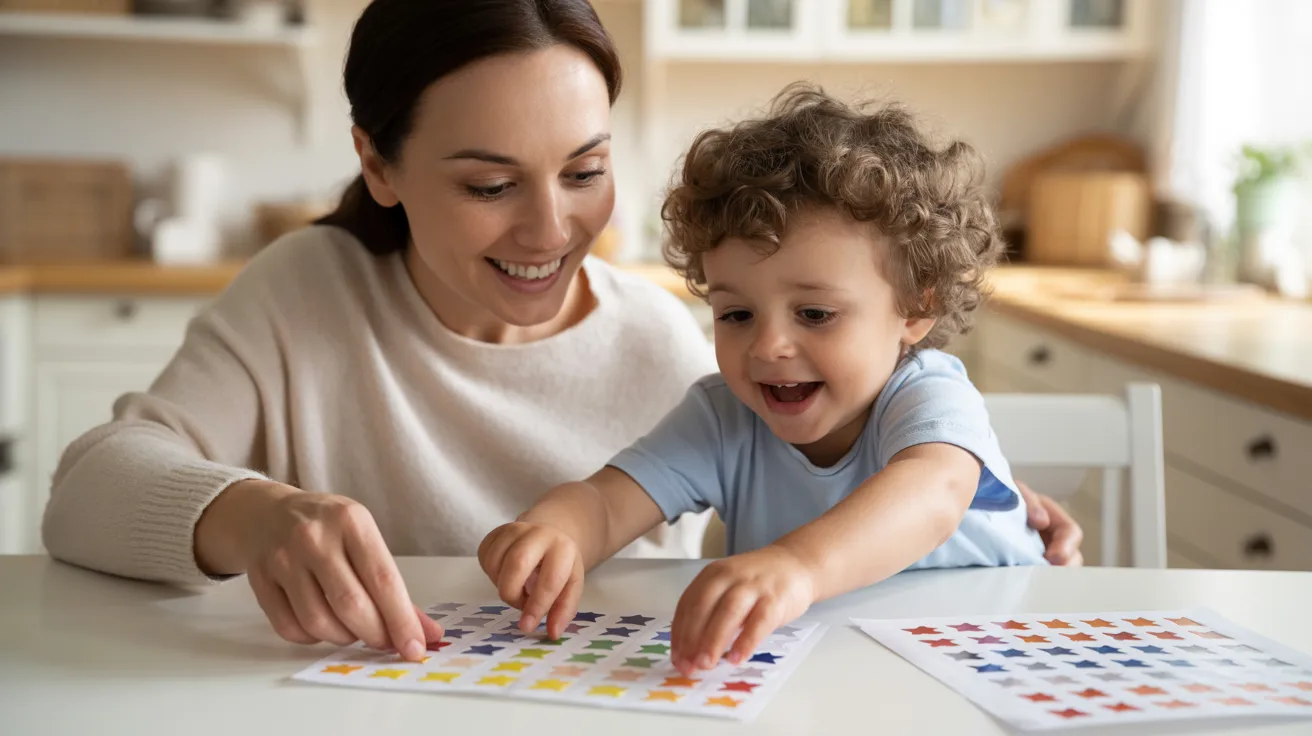
Toddlers are learning to navigate a big, complicated world with very little impulse control and a lot of big feelings. Reward charts tap into something they deeply understand: effort leads to good things. When a child can see their progress visually — even if it’s just a row of star stickers — they feel a sense of accomplishment that motivates them to keep going.
The key is keeping it simple, immediate, and specific. A reward chart works best when it targets one or two behaviors at a time, uses visual progress your child can see and touch, and delivers small rewards consistently and quickly. Think of it less as a behavior management tool and more as a communication tool — you’re showing your child that you notice their effort and that it matters.
Choosing the Right Behaviors to Target
Before you design your chart, pick one to three specific behaviors you want to encourage. The more specific, the better. Instead of “be good,” try behaviors like:
- Getting dressed without fussing in the morning
- Putting shoes away after coming inside
- Using gentle hands with pets or younger siblings
- Eating a vegetable at dinner without complaining
- Staying in bed after lights-out
- Saying please and thank you without reminders
- Helping set the table or put away toys
Start with behaviors your child is almost doing right — this sets them up for early wins, which builds momentum. Avoid targeting behaviors that involve complex emotional regulation, like “stop having meltdowns.” That’s too big for a chart and sets everyone up for frustration.
Types of Toddler Reward Charts
Classic Sticker Charts
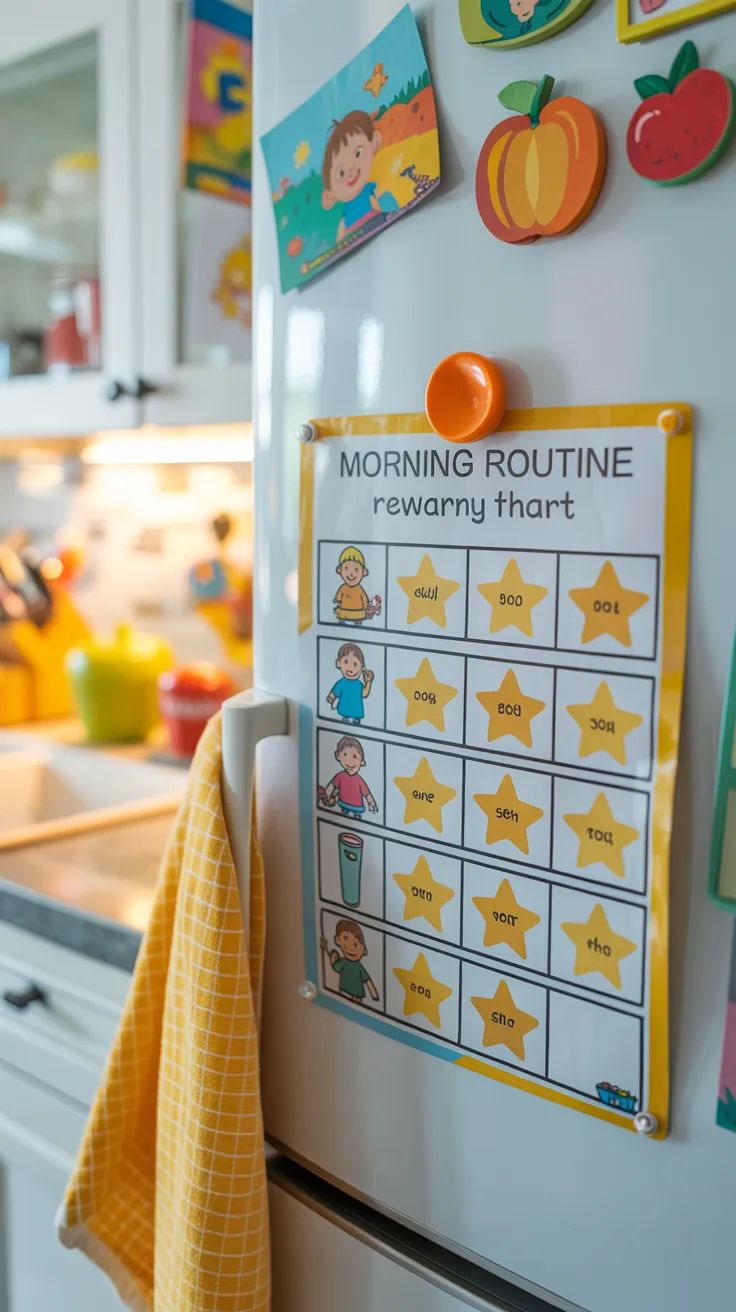
The most familiar format: a grid where your child earns a sticker for each successful behavior. These work wonderfully because the physical act of placing a sticker is its own small reward. Grab a pack of themed reward stickers featuring your child’s current obsession — dinosaurs, unicorns, superheroes, or animals — and let them pick where to place each one.
Token Systems
Older toddlers and preschoolers do well with token systems where they earn tokens (coins, poker let them pick where to place each one.
Token Systems
Older toddlers and preschoolers do well with token systems where they earn tokens (coins, poker chips, or cute wooden tokens) and “spend” them on rewards. This introduces the concept of saving and delayed gratification in a completely age-appropriate way. A magnetic token reward board makes this tactile and satisfying.
Punch Cards
Simple, portable, and fun — a punch card gets a hole punch for each positive behavior, and when it’s full, your child earns a reward. These are great for on-the-go use or for kids who get distracted by a big chart on the wall.
Behavior Jars
A clear jar where your child drops a marble or pom-pom each time they demonstrate the target behavior. Watching the jar fill up is incredibly satisfying. When it’s full, they earn a special experience reward. You can find beautiful behavior jar kits or DIY your own with craft supplies.
Visual Schedule Charts
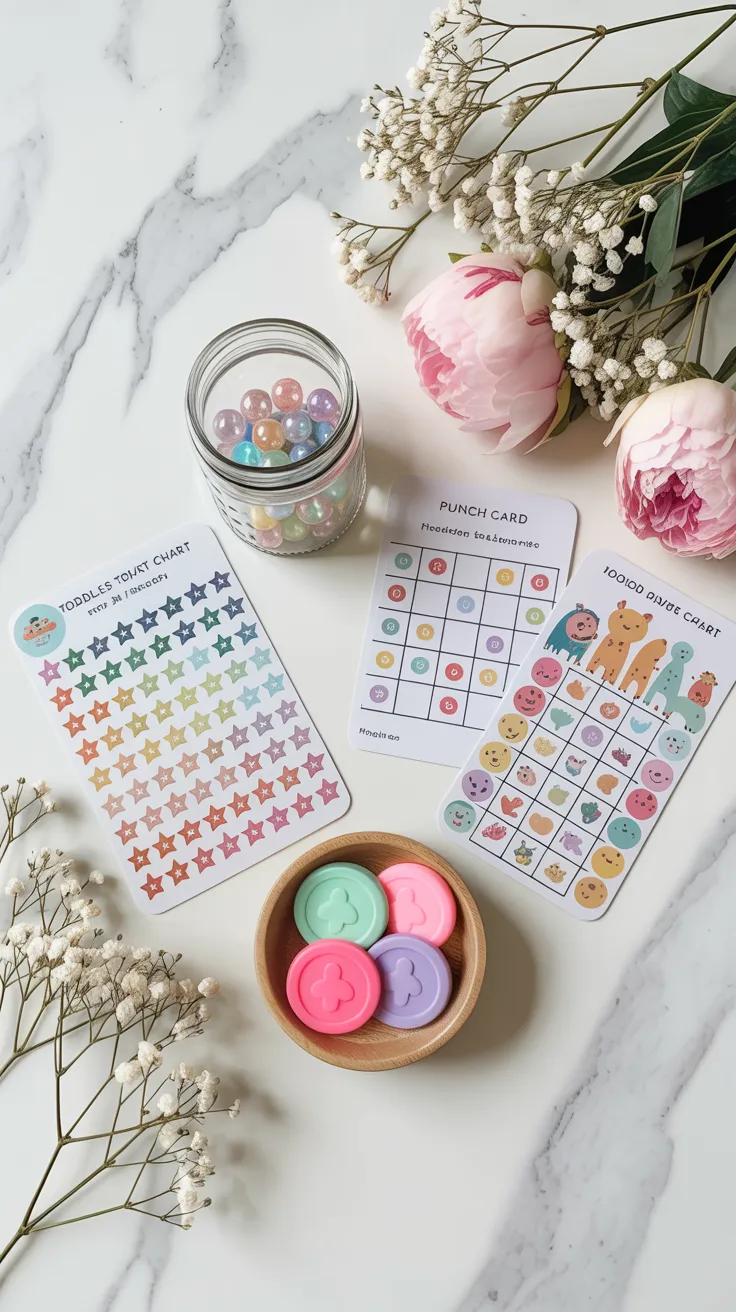
For morning or bedtime routines, a visual schedule chart (with pictures or icons for each step) works better than a traditional sticker chart. The child gets a check or sticker when they complete the routine independently. These are especially helpful for children who thrive on predictability.
Best Rewards for Toddler Behavior Charts
The reward is where the magic happens. Here’s a breakdown of what tends to work best at different levels:
| Reward Level | Examples | Best For |
|---|---|---|
| Micro-rewards (every behavior) | Sticker, stamp, marble, token, verbal praise | Immediate reinforcement of each positive action |
| Small rewards (full row or day) | Extra screen time, choosing dinner, staying up 15 minutes later | Daily or end-of-morning milestone |
| Medium rewards (half chart) | New book, small toy, a special snack, choosing a movie | Mid-milestone motivation boost |
| Big rewards (full chart) | Park trip, ice cream date, pizza night, small outing of their choice | Major milestone completion |
The best rewards are the ones your specific child finds exciting. Watch what they ask for, what they talk about, and what makes their eyes light up — then build your reward menu around that. A child who loves art supplies will be more motivated by a new art kit than a toy car, and vice versa.
Printable Reward Charts: What to Look For
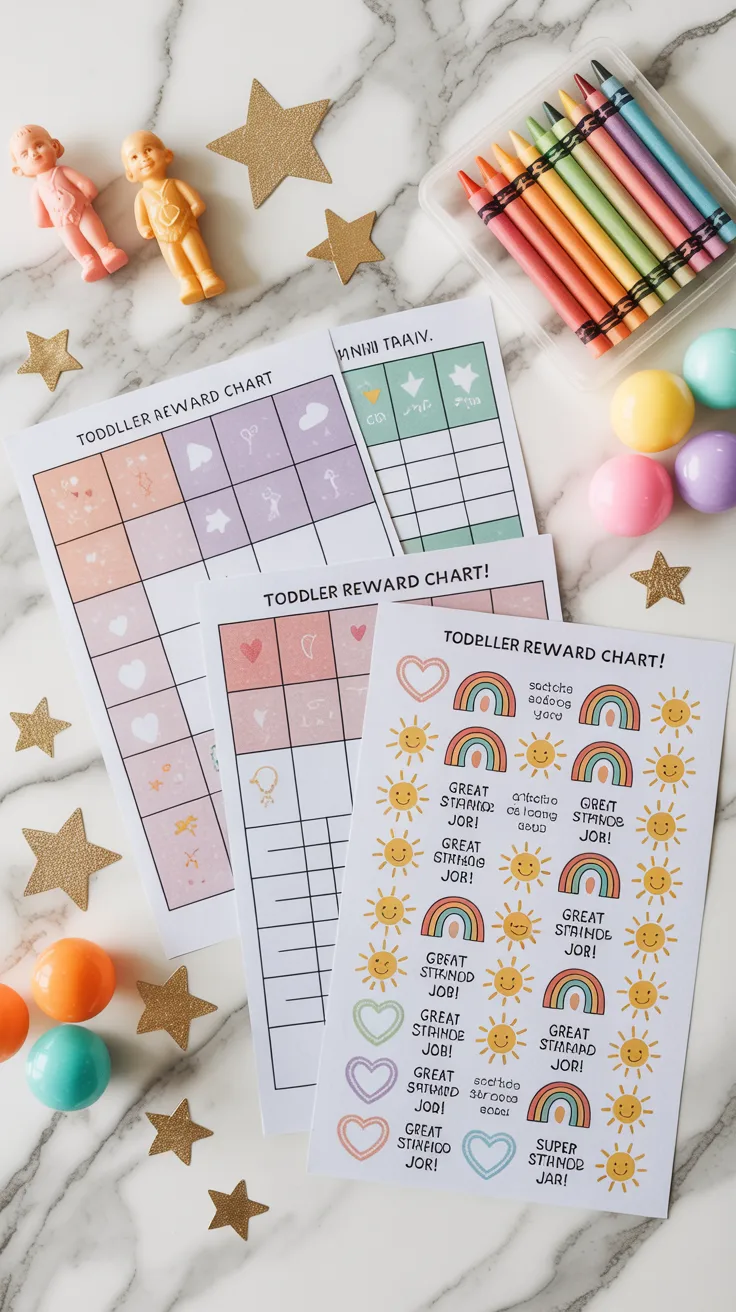
Printable reward charts are a game-changer for parents who want something polished and customizable without a big investment. Here’s what makes a great printable chart:
- Theme flexibility: Can you swap out the theme for your child’s current favorite?
- Size options: A full-page chart can go on the fridge; a half-page fits on a clipboard they can carry.
- Lamination potential: The best charts are designed to be laminated and used with dry-erase markers for endless reuse.
- Space for customization: Can you fill in the specific behaviors you’re targeting rather than using pre-printed ones?
Check our printable shop for themed reward chart sets you can download and print at home — including options for morning routines, bedtime, chores, and general good behavior.
DIY Toddler Reward Chart Ideas
Making a reward chart with your child is itself a powerful engagement tool — when kids help create the chart, they feel invested in it from the start.
Poster Board Chart
Grab a piece of poster board and let your toddler decorate the borders with their favorite stickers or drawings. Draw a simple grid together. This whole-child approach works beautifully for kids who love craft time.
Chalkboard Chart
A small chalkboard or chalkboard contact paper on the fridge lets you draw and redraw charts endlessly. Use colorful chalk markers for extra appeal.
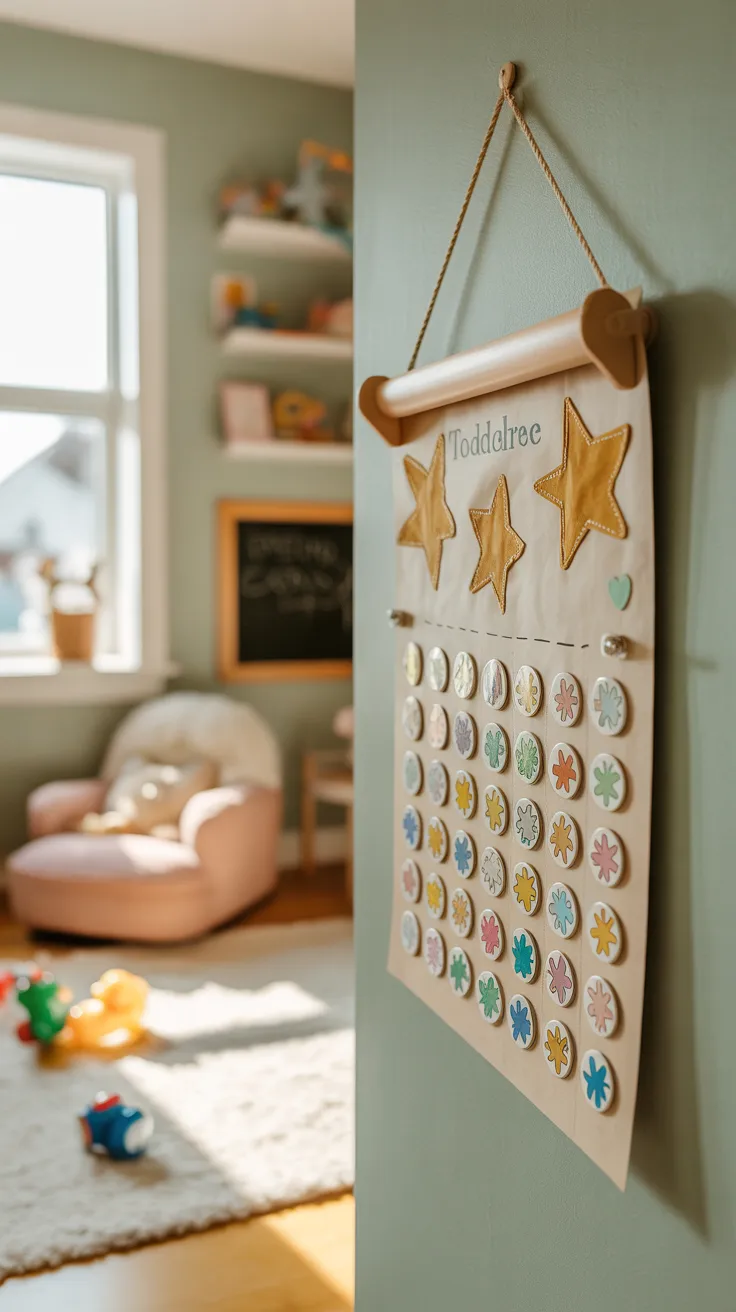
Peg Board or Clothespin Chart
Clip colorful clothespins to a simple wooden dowel or pegboard. Each pin represents a task completed. Kids love the tactile satisfaction of clipping and unclipping.
Ribbon Chart
Tie ribbons or small bows onto a piece of string for each successful behavior. When the string is full of ribbons, they’ve earned their reward. Hanging it where they can see it constantly keeps motivation high.
Age-by-Age Guide: Reward Charts for Toddlers
| Age | Best Chart Type | Recommended Behaviors | Notes |
|---|---|---|---|
| 18–24 months | Simple 2–3 space chart | Putting one toy away, giving hugs, using gentle hands | Keep it very immediate — reward within seconds |
| 2–3 years | 5–10 space sticker chart | Morning routine tasks, potty use, sharing, teeth brushing | One behavior at a time; celebrate every sticker |
| 3–4 years | Weekly chart with multiple behaviors | Getting dressed, helping set table, staying in bed, kind words | Can introduce small “spend” rewards with tokens |
| 4–5 years | Routine chart or token board | Morning/bedtime routine, chores, homework, kind behavior | Can handle delayed gratification for bigger rewards |
Common Reward Chart Mistakes (and How to Avoid Them)
Even with the best intentions, reward charts can backfire. Here are the most common pitfalls:
- Too many behaviors at once. Targeting five behaviors on one chart overwhelms toddlers. Start with one, max two.
- Inconsistent delivery. If you forget to give the sticker, the connection between behavior and reward breaks down fast. Set a phone reminder if you need to.
- Rewards that don’t excite your child. A chart with a reward your toddler doesn’t care about will never work. Interview them — “what would make you SO happy?”
- Taking stickers away as punishment. This strategy backfires and teaches kids to resent the chart. If behavior slips, simply don’t add a sticker — don’t remove ones already earned.
- Running the chart forever without fading. Reward charts are a bridge, not a permanent fixture. Plan to fade them once the behavior becomes a habit.
How to Transition Away from the Reward Chart
The goal of any reward chart is to make itself unnecessary. Once your child is consistently doing the target behavior, start fading the chart gradually:
- Begin by skipping stickers for smaller behaviors while continuing to celebrate big ones
- Move from physical stickers to verbal praise and acknowledgment
- Use pride-based language: “You got yourself dressed all by yourself — you should feel so proud!”
- Eventually phase out the chart entirely and let the habit carry itself
The whole process usually takes four to six weeks for most toddlers. By then, the behavior has become part of their routine, and the reward is simply the confidence that comes from knowing they can do hard things.
Conclusion
Toddler reward charts work because they make behavior visible, celebrate effort, and give your child something to look forward to. The best chart isn’t the fanciest one — it’s the one your child is genuinely excited about and that targets behaviors you most want to reinforce right now.
Start simple, stay consistent, celebrate every win, and adjust as your child grows. The habits you help build now will last far beyond the sticker chart.
FAQ
What age should you start a reward chart?
Most children can engage with a simple reward chart by 18 to 24 months, though the chart should be very simple (2–3 spaces) and rewards immediate. More complex charts with multiple behaviors work better for ages 2 and up.
Do reward charts really work for toddlers?
Yes — when used correctly. Reward charts are most effective when they target specific, achievable behaviors, deliver consistent and immediate reinforcement, and use rewards the child genuinely values. They lose effectiveness when overused or applied to too many behaviors at once.
What should I put on my toddler’s reward chart?
Focus on one to two specific, observable behaviors your child is close to mastering — things like getting dressed independently, brushing teeth without fussing, using gentle hands, or completing a morning routine. Avoid vague goals like “be good.”
Should I use candy as a reward on a behavior chart?
Small food rewards can be effective in the short term, especially for very young toddlers. If you use food rewards, keep amounts tiny (1–2 small pieces) and plan to transition to non-food rewards as the behavior becomes established.
How long should I use a reward chart?
Most reward charts should run for four to six weeks for a specific behavior. Once the behavior is consistent, gradually fade the chart by reducing frequency of rewards and shifting toward verbal praise and natural motivation.
What are the best reward chart ideas for toddlers who don’t like stickers?
Try a marble jar, token board, punch card, or ribbon chart. Some children are more motivated by physical objects they can see accumulating than by stickers. Experiment with different formats until you find the one that excites your child.
This website contains affiliate links. Some products are gifted by the brand to test. As an Amazon Associate, I earn from qualifying purchases. The content on this website was created with the help of AI.