This website contains affiliate links. Some products are gifted by the brand to test. As an Amazon Associate, I earn from qualifying purchases. The content on this website was created with the help of AI.
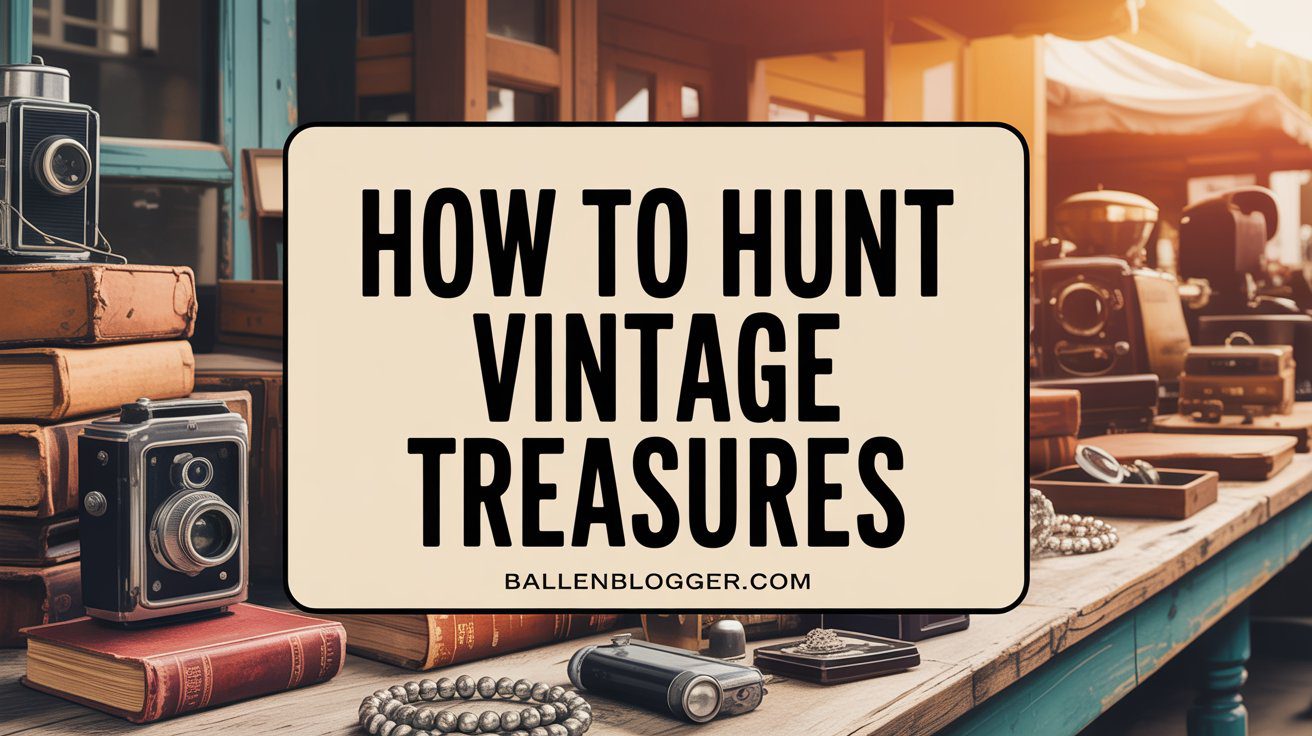
You walk into a flea market and instantly feel it — that mix of nostalgia and possibility. Every booth hides a story waiting to be found. The trick isn’t just spotting what’s pretty; it’s seeing potential. A chair becomes sculpture, a bowl becomes centerpiece, a vase transforms a corner. With a designer’s eye and a little curiosity, you’ll start spotting treasures everyone else overlooks.
Start with a list. Flea markets can be overwhelming — endless tents, textures, and treasures. Know what you’re hunting for: maybe a rustic bench, vintage art, or sculptural chairs. Then, keep your eyes open for the unexpected. The best finds are rarely what you planned to buy — they’re the pieces that make you stop, smile, and imagine where they belong in your home.
Look for quality first. Run your hand along the wood grain, test for solid joints, check for craftsmanship. A little wear adds character, but wobble or rot means walk away. Flip furniture over — if it’s built with real nails, dovetail joints, or hand-planed surfaces, you’ve probably found a gem. The secret is training your eye to spot the difference between “old” and “well-made.”
Think beyond how it was used. A vintage chair can become a plant stand, a trunk can serve as a side table, and mismatched plates can turn into wall art. The best designers repurpose with imagination. When you start asking “what else could this be?” instead of “what was this for?”—that’s when you find real magic.
Don’t rush the hunt. The best pieces reveal themselves slowly — after you’ve circled the market twice and noticed what you couldn’t stop thinking about. Step back, take photos, compare prices, then go back for what still pulls you in. If it keeps calling to you, it’s meant to come home with you.
Bring cash, comfy shoes, and curiosity. Flea markets aren’t just about what you find — they’re about the experience. Chat with vendors, ask about a piece’s story, and don’t be afraid to negotiate respectfully. Every crack, chip, and brushstroke has history. When you buy with connection instead of impulse, your home starts to tell stories worth remembering.
When you bring those treasures home, give them purpose. Let a weathered table anchor your kitchen, or use a chipped vase to hold wildflowers by the window. Mix eras, play with texture, and don’t aim for perfection — aim for personality. The beauty of vintage design is that it feels lived-in from the start, just like it was always meant to be there.
And that’s the secret — collecting with intention. You’re not just buying objects; you’re building atmosphere. A home layered with stories feels personal, warm, and real. The best pieces don’t match — they harmonize. Over time, your collection becomes a reflection of your eye, your memories, and the moments you chose to bring beauty home.
Next time you wander through a market, don’t look for perfection — look for soul. The right piece won’t just fill a space; it’ll change how your home feels.
This website contains affiliate links. Some products are gifted by the brand to test. As an Amazon Associate, I earn from qualifying purchases. The content on this website was created with the help of AI.