
This website contains affiliate links. Some products are gifted by the brand to test. As an Amazon Associate, I earn from qualifying purchases. The content on this website was created with the help of AI.
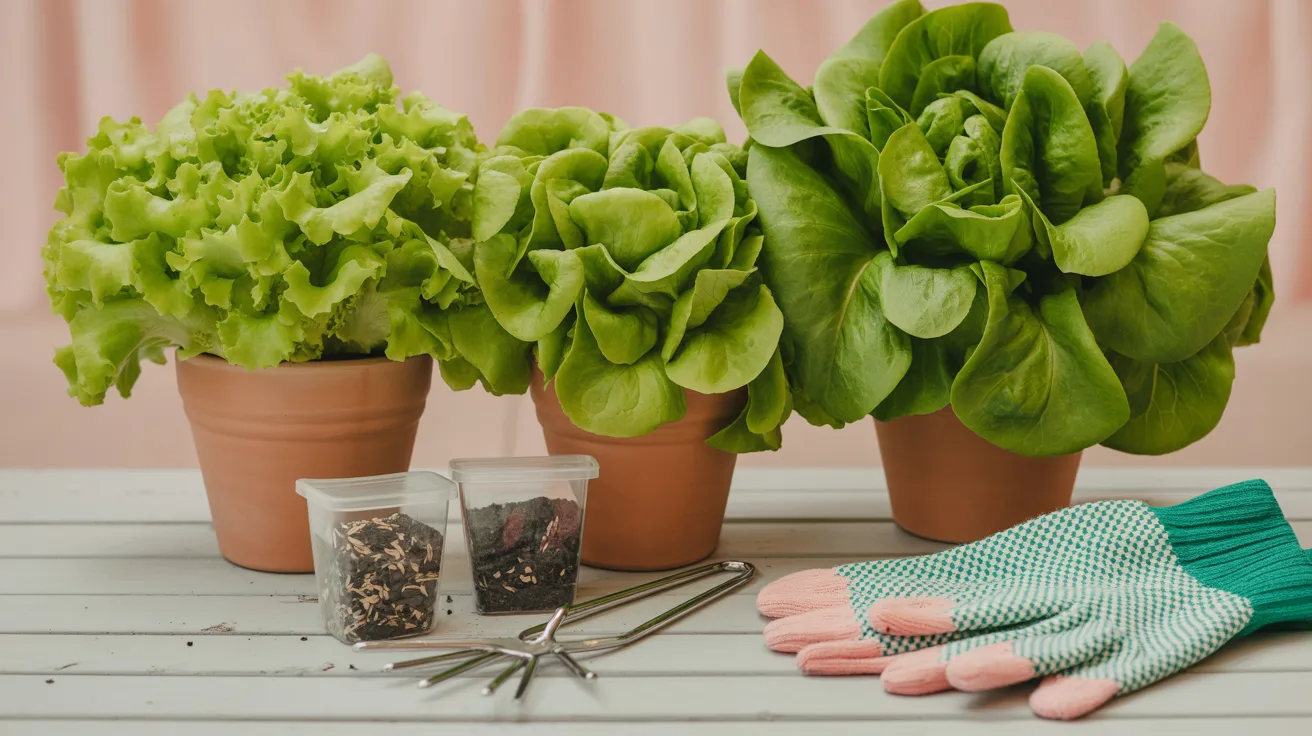
Have you ever stood at the grocery store produce section, looking at a package of lettuce and thinking, “I could grow this myself at home”? You absolutely can — and it’s easier than you might think. Container lettuce is one of the most beginner-friendly ways to start your gardening journey, whether you have a sprawling backyard, a tiny balcony, or just a sunny windowsill. In this guide, I’m going to walk you through everything you need to know to grow crisp, delicious lettuce right outside your door, even if you’ve never gardened a day in your life. Let’s turn that blank patio space into a thriving salad garden.
Why Container Lettuce is the Ultimate Beginner Garden Win
If you’re thinking about starting a garden but feel intimidated, container lettuce might be exactly what you need to build your confidence. Here’s why it’s such a winning choice for beginners:
- Fast results: Unlike tomatoes or peppers that take months to produce, many lettuce varieties are ready to harvest in just 30-45 days.
- Forgiving growth: Lettuce is genuinely hard to kill.
- Space-saving: A single container takes up minimal space.
- Cost-effective: A small packet of lettuce seeds costs just a couple of dollars and produces dozens of plants.
- Year-round potential: With the right setup, you can grow lettuce spring, summer, fall, and even winter.
- Teaches essential skills: Growing container lettuce teaches you watering, spacing, harvesting, and pest management.
- Dramatically better flavor: Homegrown lettuce tastes incomparably better than store-bought.
The Best Lettuce Varieties for Containers (Our Top 7 Picks)
Not all lettuce varieties perform equally in containers. Here are my top seven recommendations:
1. Buttercrunch (Heading Variety)
Buttercrunch is a classic that never disappoints. It forms compact, loose heads with incredibly tender, buttery leaves. It’s forgiving for beginners, matures in about 60 days, and performs well in containers.
2. Jericho (Looseleaf Variety)
If you want to pick leaves continuously without harvesting the whole plant, Jericho is your answer. This looseleaf variety produces ruffled, deeply textured leaves with excellent flavor. It’s heat-tolerant and resists bolting. Ready in about 45 days.
3. Red Oakleaf (Looseleaf Variety)
Red Oakleaf brings both beauty and flavor to your container garden. The deep burgundy leaves are stunning, and they taste slightly peppery and delicious. This variety is resilient, slow to bolt, and absolutely perfect for the cut-and-come-again harvesting method.
4. Tom Thumb (Heading Variety)
Tom Thumb is a tiny variety, making it absolutely perfect for small containers and window boxes. It produces small, tender heads ready in about 60 days.
5. Salad Bowl (Looseleaf Variety)
Salad Bowl is beloved by container gardeners for good reason. It has a long harvest window, produces tender green leaves in an attractive rosette shape, and handles container growing with ease. Matures in about 50 days.
6. Freckles (Looseleaf Variety)
Freckles has green leaves with burgundy speckles, creating a truly striking appearance. It tastes wonderful — slightly sweet with a tender texture — and performs exceptionally well in containers.
7. Winter Density (Heading Variety)
If you’re planning to grow lettuce in cooler months, Winter Density is your best friend. This cold-hardy variety actually becomes sweeter after a light frost and is ideal for spring and fall container gardening. It forms small, compact heads and takes about 65 days to mature.
Choosing the Right Container for Growing Lettuce
Your lettuce container doesn’t need to be fancy, but it does need to meet a few basic requirements. Lettuce has shallow root systems, so you don’t need deep containers — a depth of 6-8 inches is sufficient. Drainage holes are non-negotiable. Space lettuce plants approximately 6 inches apart in your container.
- Plastic pots or containers: Lightweight, affordable, durable, and retain moisture well.
- Ceramic or terracotta: Beautiful but heavy, and they dry out faster than plastic.
- Fabric grow bags: Excellent for lettuce — good drainage, lightweight, and collapsible for storage.
- Wood planters or window boxes: Lovely aesthetic appeal and work wonderfully for lettuce.
- Recycled containers: Clean buckets or storage containers work great if you drill drainage holes.
The Best Soil Mix for Container Lettuce
Container lettuce needs a slightly different soil mix than in-ground gardens. The easiest approach is to buy a pre-made potting mix designed for vegetables. If you prefer to mix your own, here’s a simple recipe: 40% coconut coir or peat moss, 40% compost, 20% perlite or vermiculite. Lettuce prefers a soil pH between 6.0 and 7.0.
How to Plant Lettuce Seeds or Transplants in Pots
You have two options: seeds or transplants. Starting from seeds: fill container with moist potting mix, make shallow holes 1/4 inch deep spaced 6 inches apart, drop 2-3 seeds per hole, cover gently, water with fine mist, and watch for sprouts in 7-10 days. Thin seedlings once they have true leaves. Transplants are ready to harvest in 2-3 weeks, while seeds take 4-6 weeks.
Sunlight and Temperature: What Lettuce Loves
Lettuce needs a minimum of 4-6 hours of sunlight daily. It thrives in temperatures between 60-70°F and tolerates down to 50°F. In summer, position containers to get morning sun but afternoon shade to prevent bolting. Spring and fall are perfect seasons — lettuce handles cool temperatures beautifully.
Watering Container Lettuce the Right Way
The simplest, most reliable watering method is the finger test: insert your finger into the soil up to the first knuckle. If the soil feels dry at this depth, it’s time to water. Water thoroughly until it drains from the bottom. Most container lettuce needs water every 1-2 days. Water at soil level (not on leaves), in the morning when possible.
Fertilizing Lettuce in Pots: Simple Schedule
Starting around week 4, begin a light feeding schedule. Apply a balanced, slow-release fertilizer every 2-3 weeks, or use a liquid fertilizer diluted to half-strength weekly. Look for products labeled for vegetables or greens — a simple balanced 10-10-10 formula works perfectly. For organic gardening, try fish emulsion, seaweed extract, or compost tea.
How to Harvest Lettuce So It Keeps Growing (Cut and Come Again)
For looseleaf varieties, use the cut-and-come-again method: let lettuce grow to 4-6 inches tall, then harvest outer leaves at the base while leaving center leaves to continue growing. Take only 1-3 outer leaves per plant, let it recover 3-5 days, then harvest again. A single plant can provide multiple harvests over several weeks.
For heading varieties like Buttercrunch, harvest the whole plant when the head feels firm. Cut at the base, remove the entire plant, and replant with a new seed or transplant. Harvest lettuce in the morning when it’s crispest.
Troubleshooting Container Lettuce: Bolting, Wilting, and Pests
Bolting: When lettuce sends up a flower stalk, leaves become bitter. Prevent by choosing bolt-resistant varieties, providing afternoon shade in heat, harvesting regularly, and keeping plants consistently watered. Once bolting starts, remove and replant.
Wilting: Check soil moisture with the finger test. Dry soil means underwatering — water thoroughly. Soggy soil means overwatering — stop watering and improve drainage.
Pests: Aphids (spray with water or insecticidal soap), slugs (handpick or use beer traps), whiteflies (spray undersides of leaves), lettuce loopers (pick off by hand or use Bt). Keep containers clean and provide good air circulation for prevention.
Indoor Container Lettuce: Grow Salads Year-Round
Lettuce grows beautifully indoors under grow lights. You need: shallow containers (6-8 inches deep), quality potting mix, LED or fluorescent grow lights set 6-12 inches above plants, a timer set for 12-14 hours daily, and a cool location (60-65°F ideal). Looseleaf varieties like Salad Bowl, Jericho, and Red Oakleaf perform exceptionally well indoors. Expect harvest in 5-7 weeks from seed or 3-4 weeks from transplant.
Our Favorite Container Lettuce Amazon Picks
To help you get started with container lettuce, I’ve curated a list of products I genuinely recommend. As an Amazon Associate, I earn from qualifying purchases.
Window Box Planter — Great for Lettuce Rows
A shallow window box (at least 6 inches deep, 24-36 inches long) is perfect for growing lettuce along a balcony railing or windowsill. You can fit 3-6 plants per box depending on length.
Shop Window Box Planters on Amazon
Fabric Grow Bags 5-Gallon
Fabric grow bags are my go-to containers for lettuce. They’re lightweight, provide excellent drainage, allow roots to breathe naturally, and collapse flat for storage. A 5-gallon bag comfortably holds 2-3 lettuce plants.
Shop Fabric Grow Bags on Amazon
Premium Potting Mix for Vegetables
Quality potting mix is the foundation of container lettuce success. Look for mixes specifically formulated for vegetables, which typically include peat or coir, compost, and perlite in balanced proportions.
Shop Potting Mix for Vegetables on Amazon
Slow-Release Vegetable Fertilizer
Slow-release fertilizers provide steady nutrients over time. A balanced formula (like 10-10-10) designed for vegetables is perfect for container lettuce.
Shop Slow-Release Vegetable Fertilizer on Amazon
Lettuce Seeds Variety Pack
A lettuce variety pack lets you try different types in the same season and discover your favorites. Most packs include 4-6 different varieties with options for heading types, looseleaf types, colors, and flavor profiles.
Shop Lettuce Seeds Variety Packs on Amazon
Watering Can with Long Spout
A long-spouted watering can lets you water at soil level without splashing water on the leaves. Look for one with a fine rose so you can water gently without disturbing soil or seeds.
Shop Watering Cans with Long Spout on Amazon
Moisture Meter for Plants
A moisture meter takes the guesswork out of watering. Insert it into the soil and get an instant reading. It’s a small investment that prevents both overwatering and underwatering problems.
Shop Moisture Meters on Amazon
From Pot to Plate: Quick Recipes Using Your Homegrown Lettuce
Homegrown lettuce tastes so much better than store-bought that even the simplest recipes become special. Try a classic salad with lemon vinaigrette, wilt it into pasta with olive oil and garlic, use large leaves as lettuce wraps for chicken, add to a spring broth soup, or compose a beautiful salad with proteins and toppings. Once you’ve tasted lettuce picked just an hour ago, you’ll never look at grocery store lettuce the same way.
Start Your Container Lettuce Journey Today
You now have everything you need to grow delicious lettuce in containers. You know which varieties to choose, how to set up your containers, how to care for your plants, how to harvest continuously, and how to troubleshoot problems. Growing your own salad greens on your balcony, patio, or windowsill is one of the most rewarding gardening experiences. So pick up a container, grab some seeds or a transplant, and get started. Your first homegrown salad is just weeks away. Happy growing!
This website contains affiliate links. Some products are gifted by the brand to test. As an Amazon Associate, I earn from qualifying purchases. The content on this website was created with the help of AI.

